English| EUR
Suggested for you
More currencies
Book Now
Open today · 08:00 – 18:00

Azores Whale Watching Ponta Delgada

Azores Whale Watching Ponta Delgada — Ocean Expeditions

Sperm whale encounters from Marina Pêro de Teive, guided by marine biologists

50K+ travelers chose this
Free Cancellation
Right now: Moderate — autumn season Ensure you arrive within the recommended morning window for calmer seas.
Free Cancellation
Free cancellation Instant confirmation Mobile voucher Verified partner Marine biologist guides
28+ species
Marine mammals
Whales and dolphins found in Azores
0 EUR
Booking office entry
Tour prices apply separately
10 hours
Daily availability
Open 08:00–18:00 every day
3 hours
Best arrival window
08:30–11:30 for calmest sea conditions
Choose your ticket

Azores Whale Watching Ponta Delgada tickets at a glance

Compare fares, pick the fit — all bookings are mobile-voucher and eligible for free cancellation where shown.

Azores Whale & Dolphin Watching with Marine Biologist 3 hr
Standard Entry

Azores Whale & Dolphin Watching with Marine Biologist

4.7 (4085)
€65
  • Entry ticket
  • Mobile voucher
  • Valid same day
  • Free cancellation
Book this ticket
Pico Island Whale Watching from Lajes do Pico 3 hr
Standard Entry

Pico Island Whale Watching from Lajes do Pico

4.9 (974)
€70
  • Entry ticket
  • Mobile voucher
  • Valid same day
  • Free cancellation
Book this ticket
Compare options

Compare Azores Whale Watching Ponta Delgada ticket options

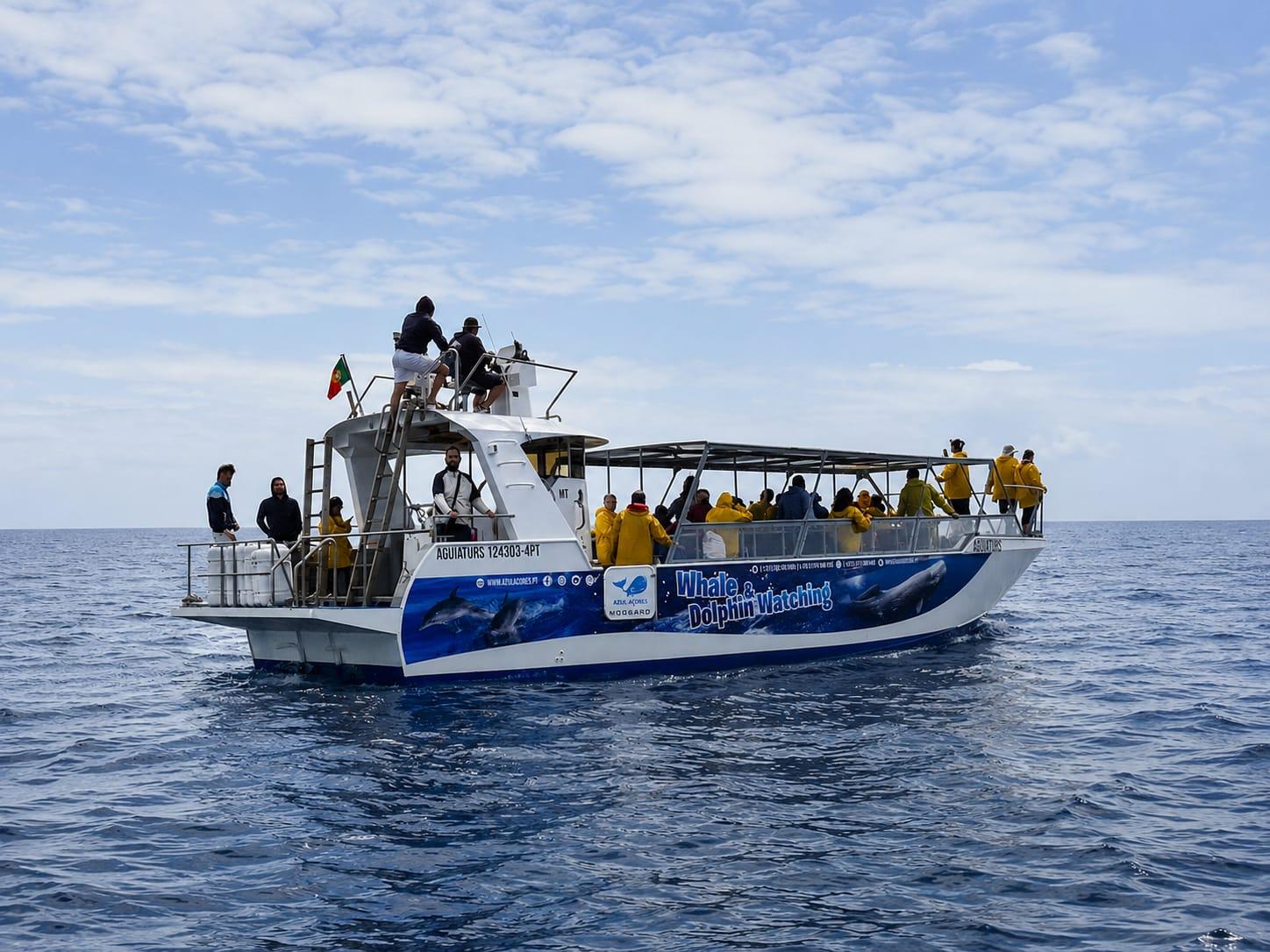
Selecting the right azores whale watching ponta delgada experience involves choosing between stable, comfortable catamaran trips or high-speed, adventurous zodiac boat excursions. These marine wildlife tours offer unique ways to explore the Atlantic waters surrounding São Miguel.

Top pick
Catamaran Stable & Spacious
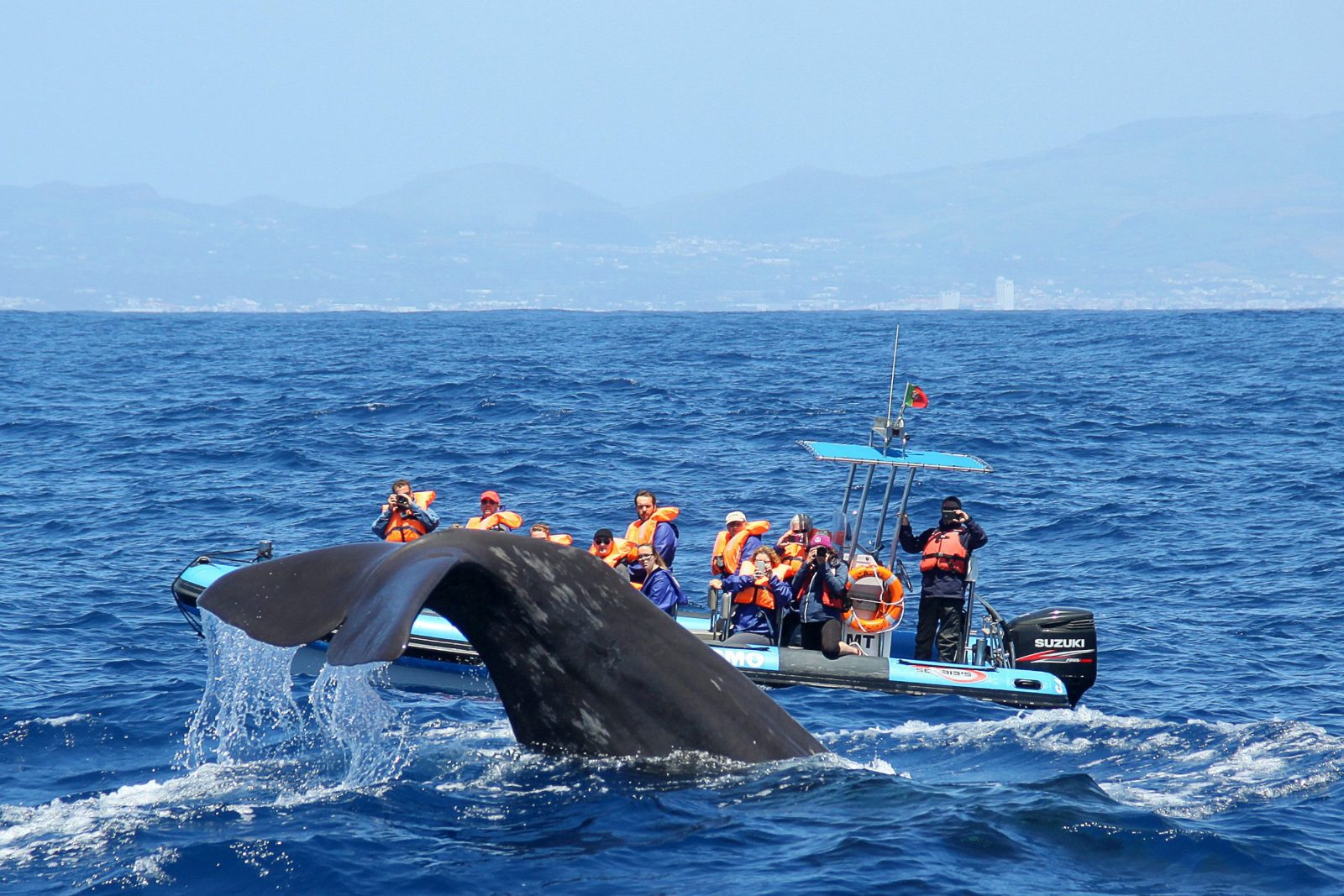
Zodiac Fast & Adventurous
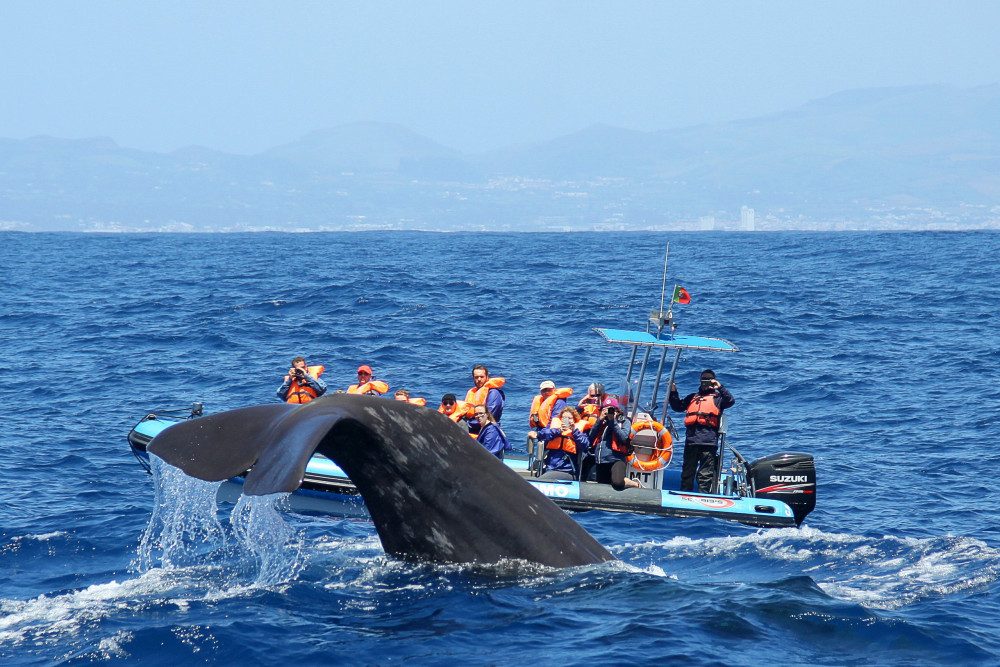
Vessel Type High-speed RIB boat
Seating Comfort Fixed bench seating
Movement Active motion
Suitability Thrill-seekers and photographers
Required Gear Lifejacket required during trip
Duration Approx. 3 hours

Verdict: Choose the catamaran for a relaxed pace on your azores whale watching ponta delgada tours, or opt for the zodiac if you prefer a closer, more agile perspective of the local marine life.

Is Azores Whale Watching Ponta Delgada Worth the Investment?

Worth it for wildlife enthusiasts and marine conservation supporters

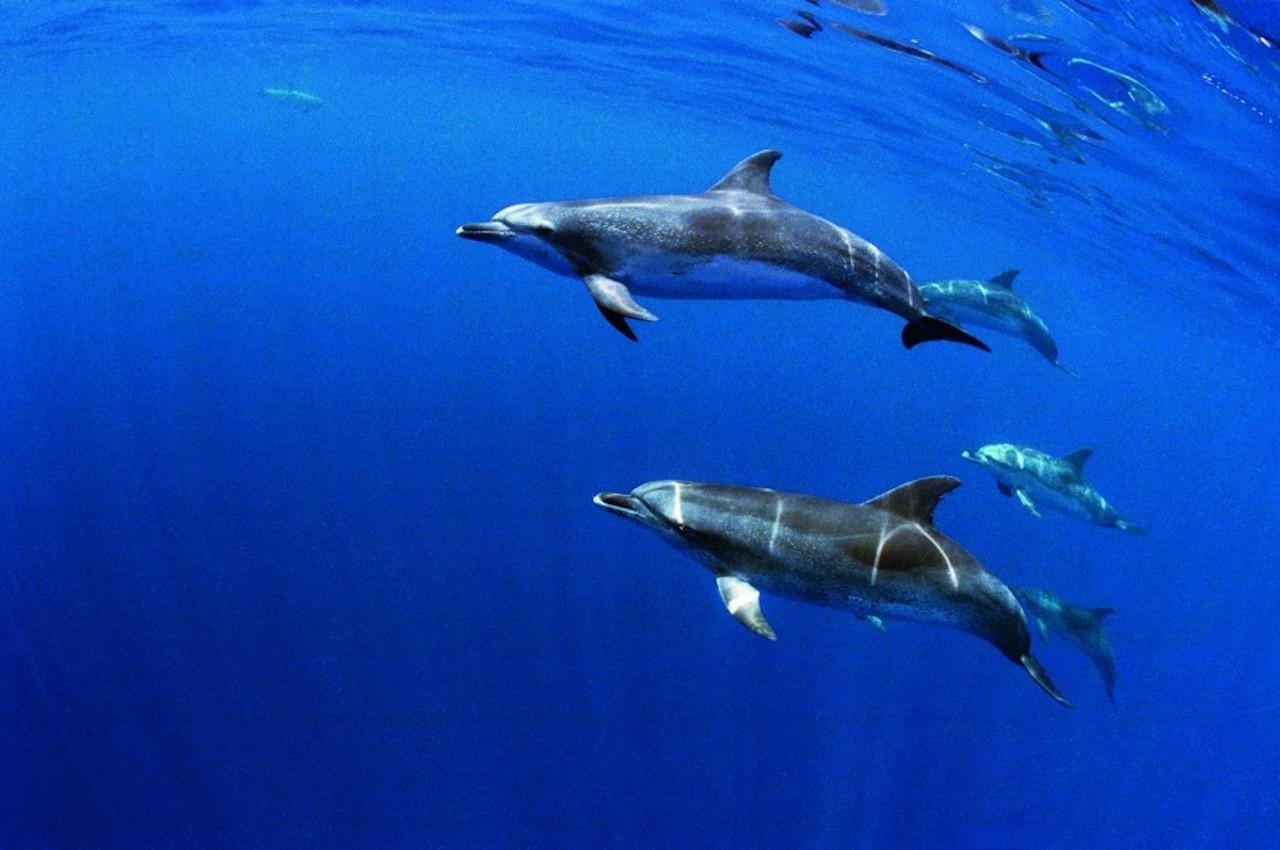
Azores whale watching ponta delgada delivers access to one of the Atlantic's richest cetacean habitats, where sperm whales, bottlenose dolphins, and seasonal migratory species pass through year-round. Tours led by marine biologists add educational depth—species identification, acoustic behavior, and migration patterns—that transforms the outing from sightseeing into marine science immersion. The conservation angle is genuine: operators follow strict approach protocols and contribute data to research programs monitoring cetacean populations. Sightings vary by season and ocean conditions; no operator guarantees encounters, though success rates hover around 95% for dolphins and 60–80% for larger whales. The Sperm Whale Sanctuary expeditions venture into deeper offshore waters for higher probability encounters with resident sperm whale pods. For travelers prioritizing authentic wildlife encounters over manufactured attractions, the São Miguel and Pico Island whale watching tours justify the expense. Casual sightseers expecting guaranteed close-ups may find the variability frustrating.

What makes it worth it

  • Expert marine biologist commentary on every tour
  • Year-round cetacean activity in the Mid-Atlantic Ridge
  • Genuine conservation protocols protect whale populations
  • High success rates for dolphin sightings
  • Sperm whale pods resident in offshore sanctuary waters

Keep in mind

  • No guaranteed whale sightings due to natural variability
  • Ocean conditions can limit tour departures
  • Tours require 2.5–3 hours offshore commitment
  • Premium pricing compared to generic boat tours

Bottom line: Azores whale watching ponta delgada tours offer exceptional marine biodiversity access for travelers valuing wildlife authenticity over predictability.

Head to head

Azores Whale Watching Ponta Delgada vs Swimming with Dolphins — Which Is Better?

They complement each other, but most visitors seeking a passive educational experience call the azores whale watching ponta delgada tour the superior choice for marine life viewing.

Top pick
Whale Watching
Swimming with Dolphins
Focus Interactive animal encounter
Boat type Zodiac only
Intensity High (requires swimming skills)
Duration 3–4 hours
Price 85–115 EUR (average)
Seasonality Apr–Sept (best weather)
Best for Active ocean enthusiasts

Verdict: Choose whale watching for a consistent, family-friendly opportunity to spot diverse cetaceans with expert interpretation, whereas swimming with dolphins offers a more physically demanding, niche interaction.

Featured Experiences

Popular Azores Whale Watching Ponta Delgada tours & activities

Hand-picked experiences loved by thousands of travelers

Recommended Experience

Powered by GetYourGuide

Another traveler favorite

Powered by GetYourGuide
São Miguel Whale Watching with Marine Biologist 3 hours Free Cancellation

São Miguel Whale Watching with Marine Biologist

Encounter ocean giants in the Azores on a biologist-led excursion with a 98% wildlife sighting success rate.

4.6 (1620)
FromFrom €65
See details
Sperm Whale Sanctuary Ocean Expedition 3 hours Free Cancellation

Sperm Whale Sanctuary Ocean Expedition

Venture into Atlantic waters to observe the ocean's largest toothed whales in their natural habitat

4.8 (220)
FromFrom €70
See details
Azores Whale & Dolphin Watching Adventure 3.5 hours Free Cancellation

Azores Whale & Dolphin Watching Adventure

Witness sperm whales and dolphins in the Atlantic aboard a catamaran or high-speed RIB boat

4.8 (117)
FromFrom €59
See details
Terceira Whale & Dolphin Watching Expedition 2 hours 30 minutes Free Cancellation

Terceira Whale & Dolphin Watching Expedition

Spot cetaceans in the Atlantic with expert guides and a land-based spotter tracking marine life from Monte Brasil.

4.8 (273)
FromFrom €70
See details
Research Whale & Dolphin Expedition with Marine Biologist 3 hours Free Cancellation

Research Whale & Dolphin Expedition with Marine Biologist

Join PhD researchers aboard a RIB to track cetaceans and contribute to live marine science in the Azores

4.8 (330)
FromFrom €77.43
See details
Terceira Dolphin & Whale Watching Adventure 3 hours Free Cancellation

Terceira Dolphin & Whale Watching Adventure

Encounter marine giants in Azorean waters with expert biologists guiding your cetacean safari

4.6 (311)
FromFrom €65
See details
Pico Island Whale & Dolphin Watching from Lajes 2 hours 30 minutes Free Cancellation

Pico Island Whale & Dolphin Watching from Lajes

Search for whales and dolphins off Pico's coast with expert marine biologists aboard a thrilling speedboat adventure.

4.7 (507)
FromFrom €45
See details
Wild Dolphin Swimming Adventure in São Miguel 2.5 hours Free Cancellation

Wild Dolphin Swimming Adventure in São Miguel

Dive into the Atlantic and swim alongside dolphins in their natural ocean environment off São Miguel's coast.

4.8 (488)
FromFrom €150
See details
Your journey

Your Azores Whale Watching Ponta Delgada day, step by step

1

Check-in

Confirm registration at Marina Pêro de Teive

2

Safety Briefing

Instructions on marine life conduct and boat safety

3

Ocean Transit

Search for cetaceans in the Atlantic

The experience

What visiting Azores Whale Watching Ponta Delgada is really like

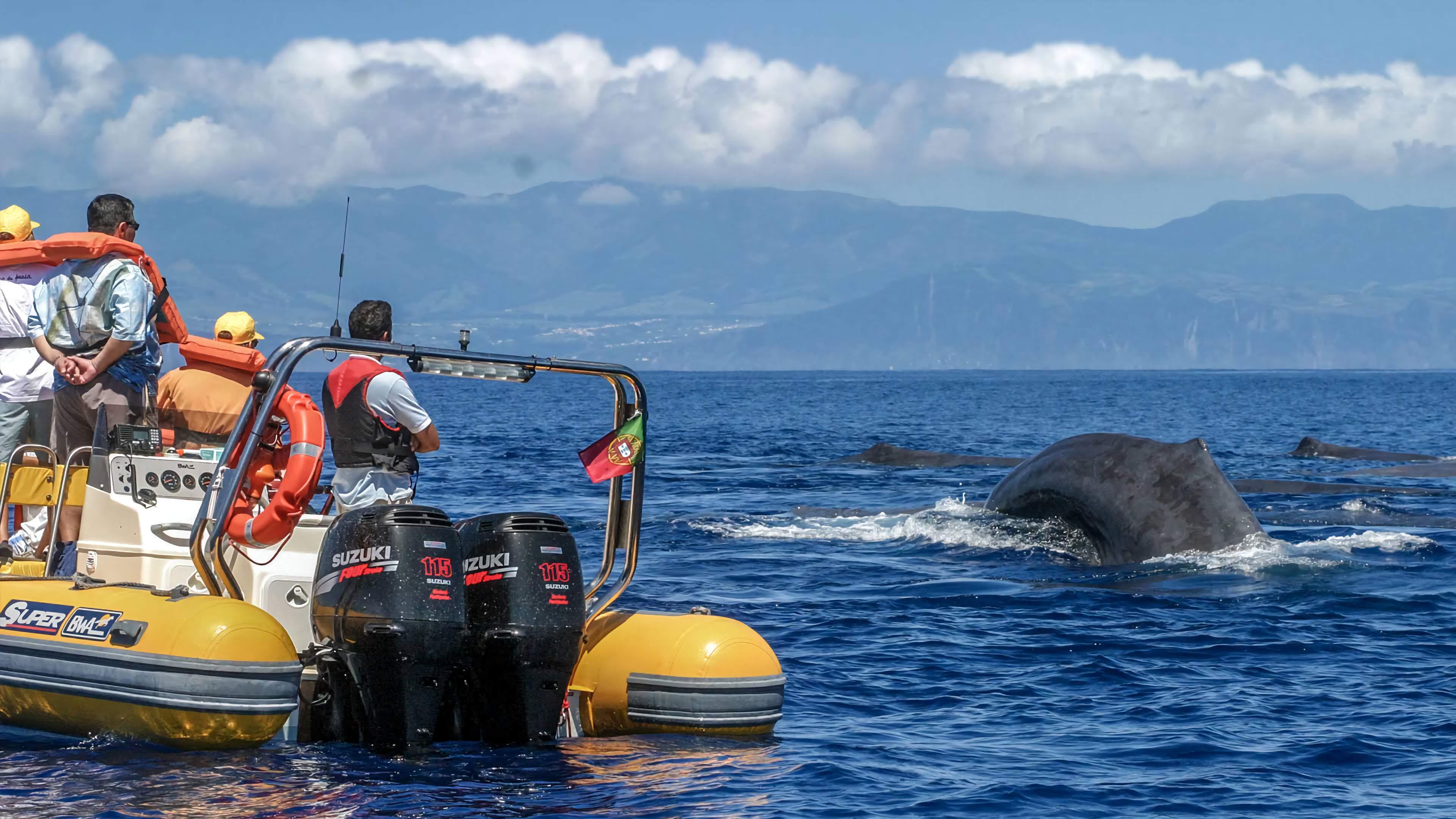
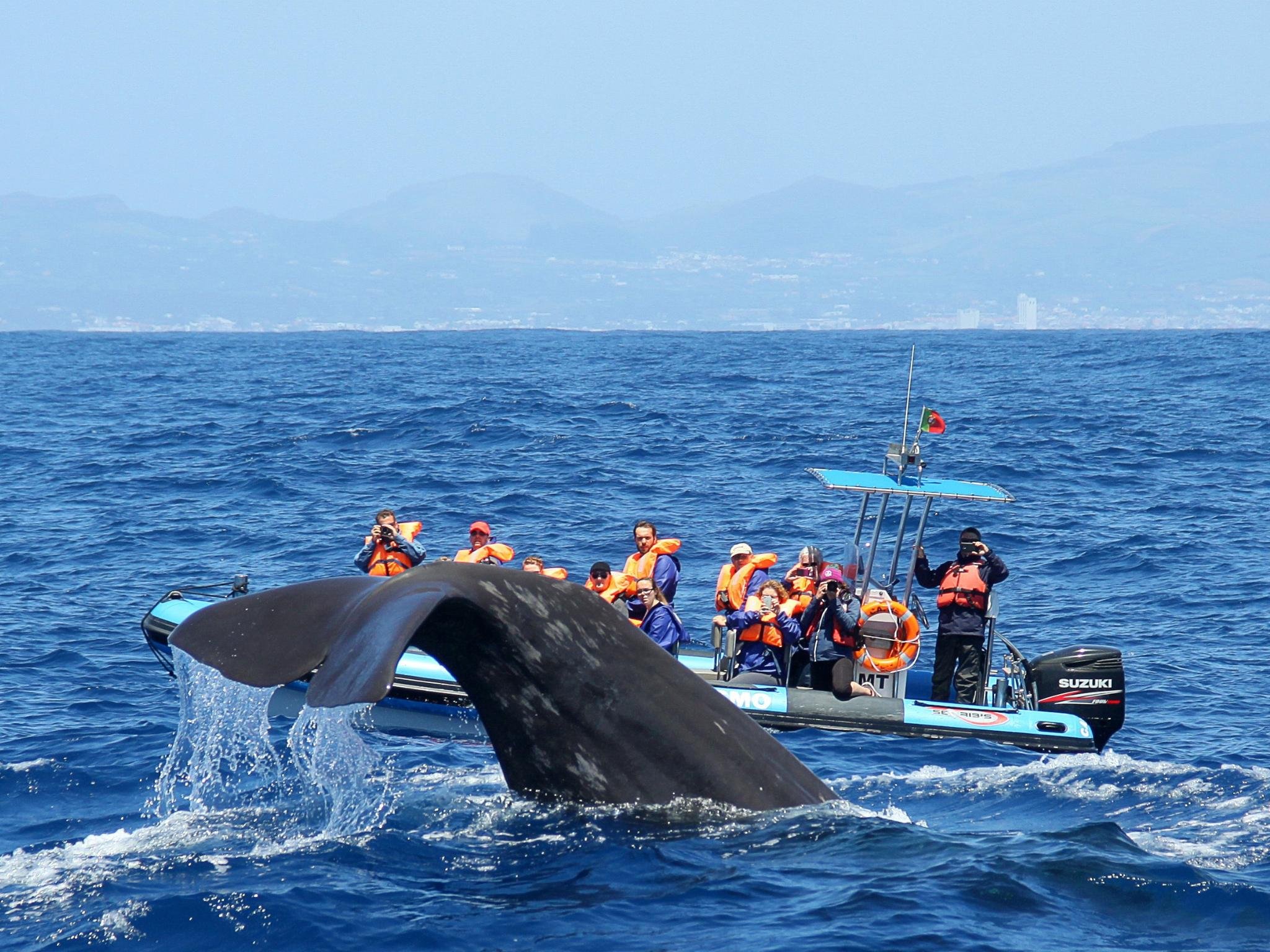
You arrive at Marina Pêro de Teive by 08:30, where crew members distribute waterproof jackets and assign seating on the rigid-hull inflatable.

Read more Show less

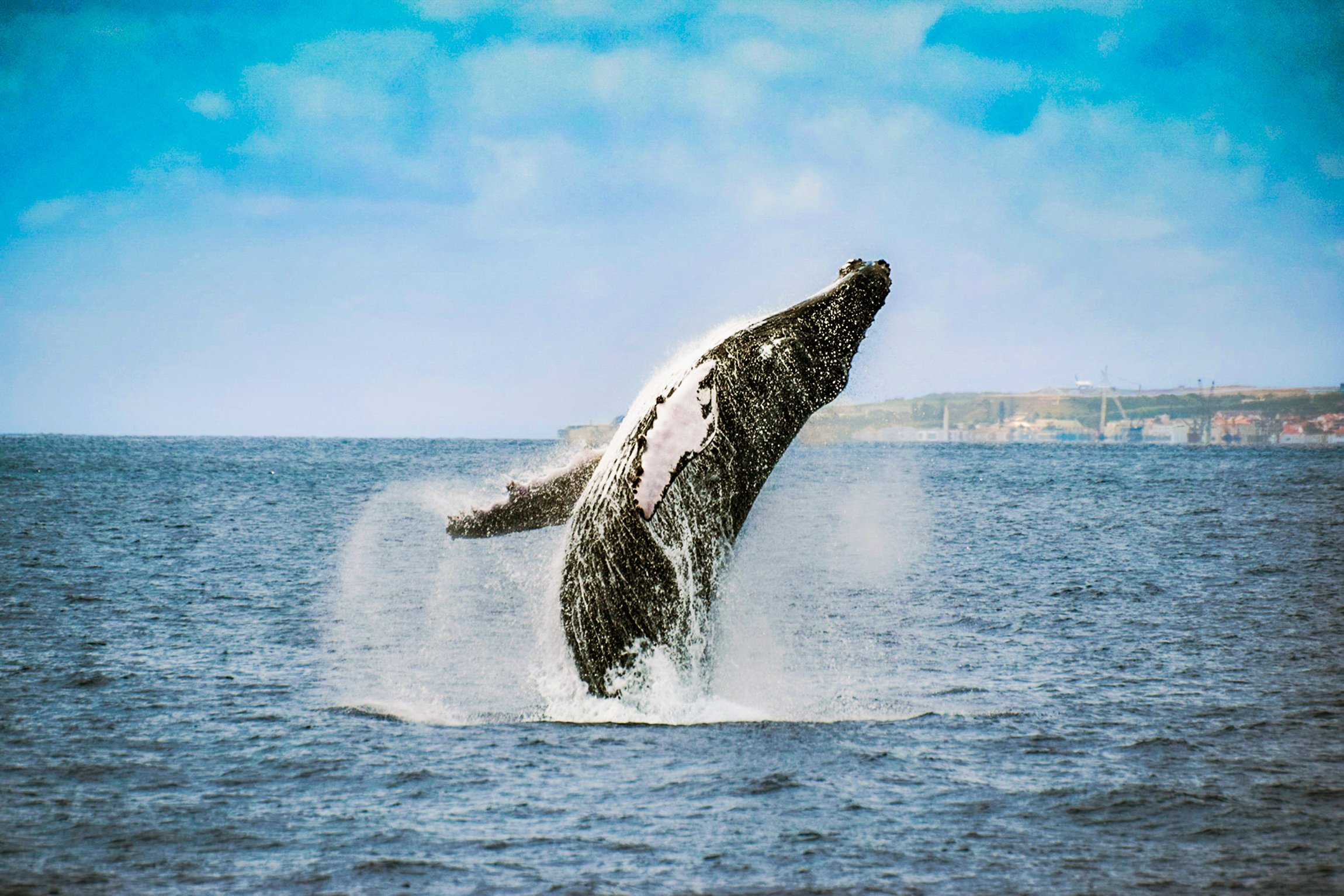
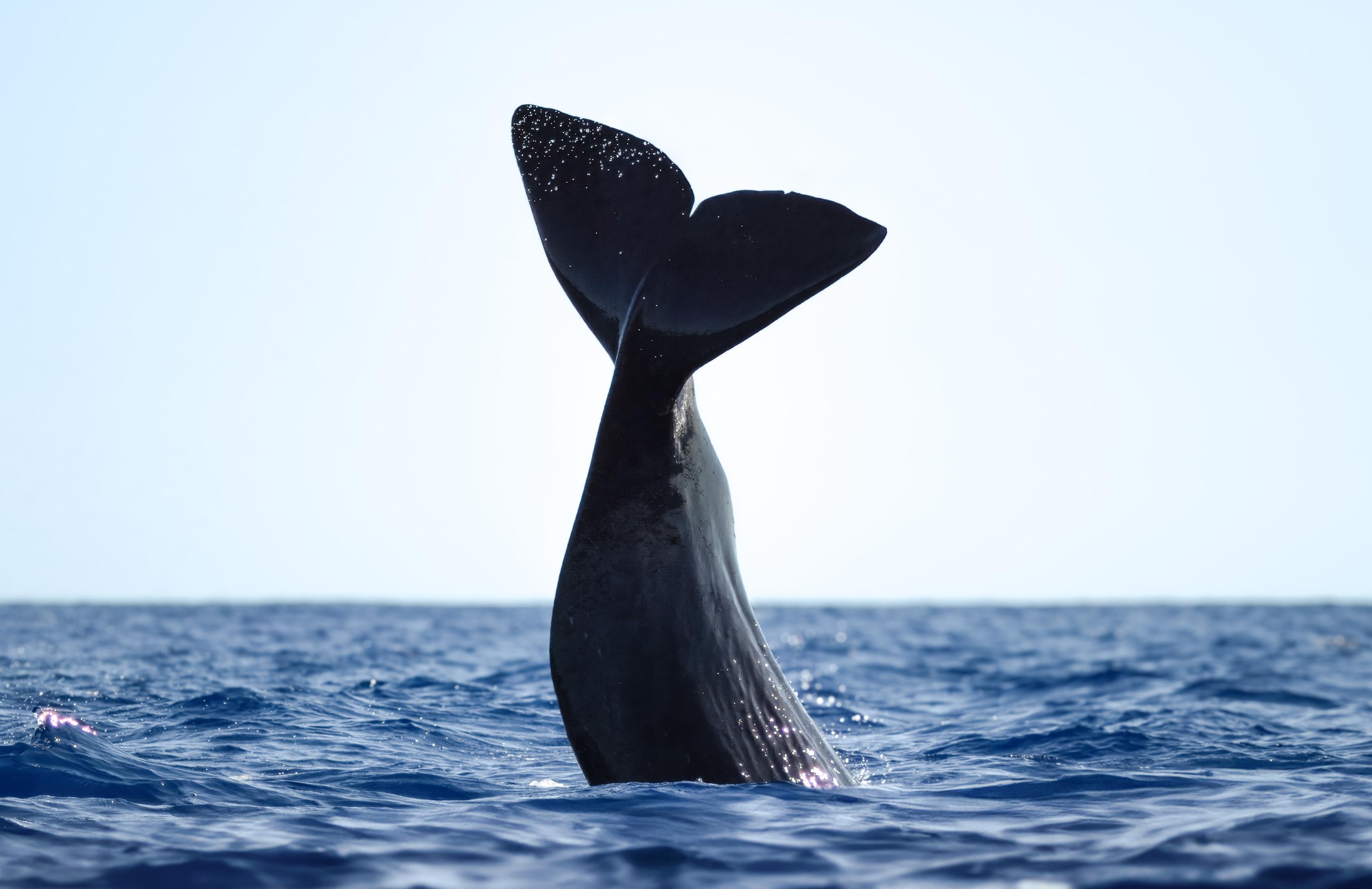
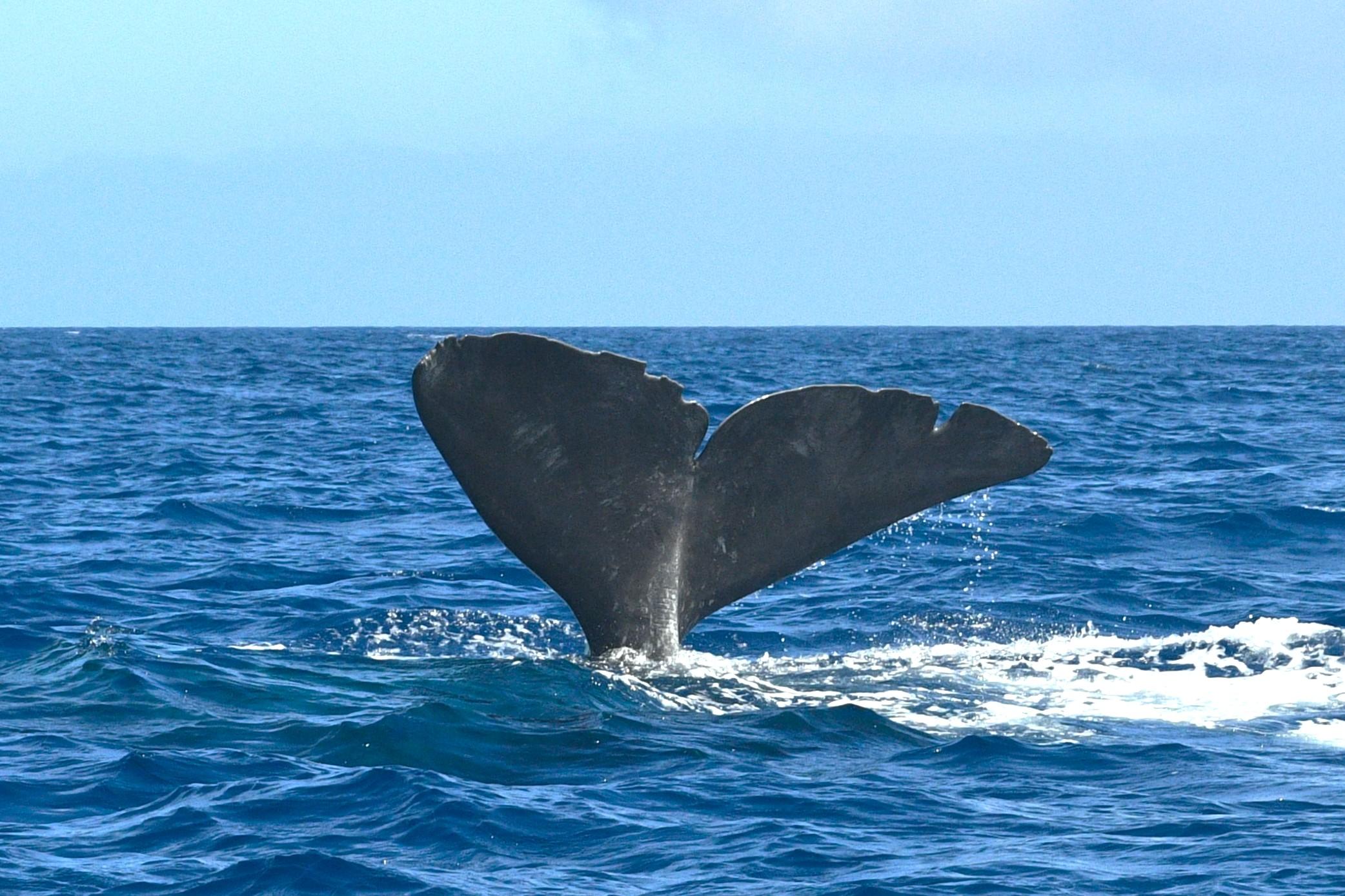
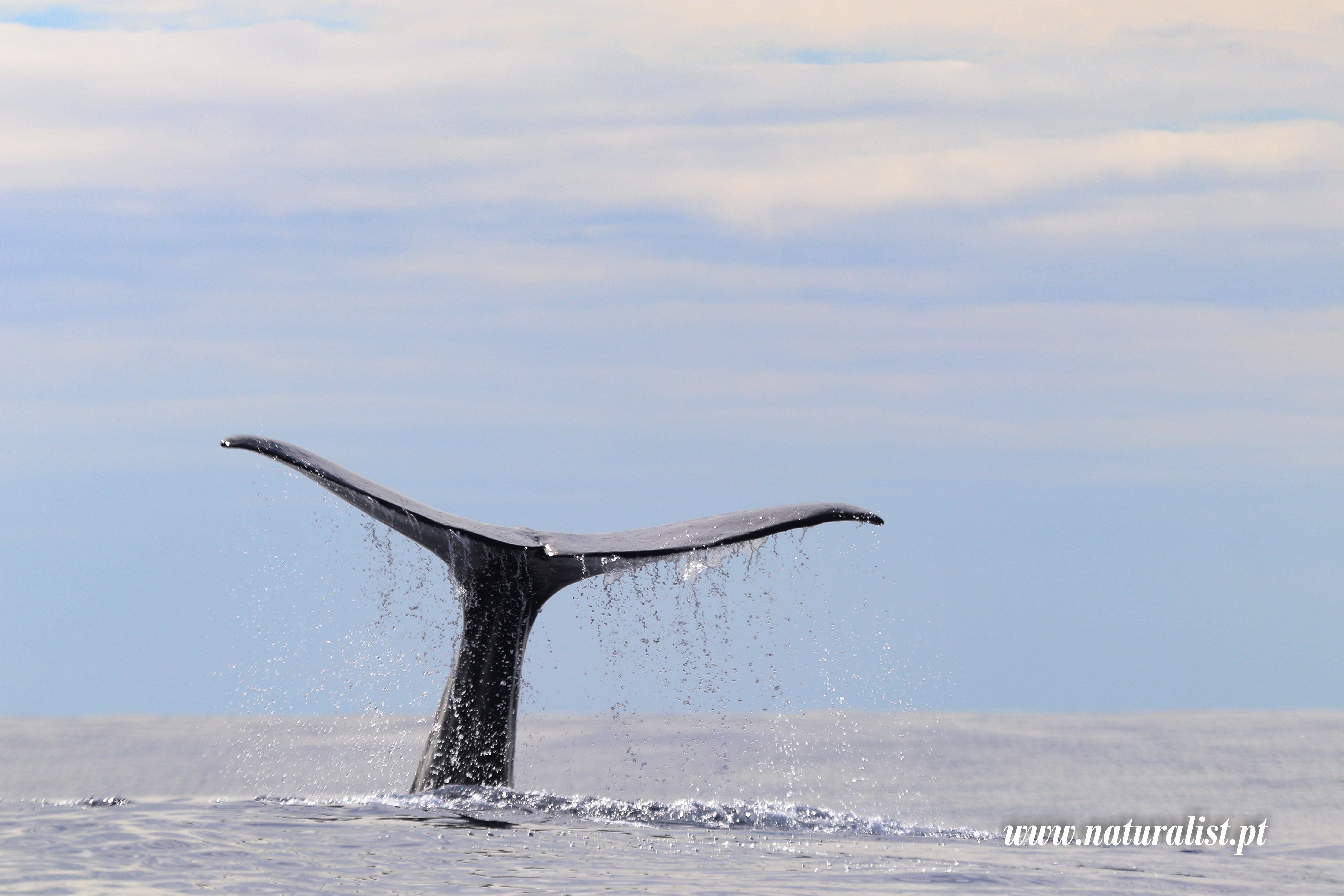
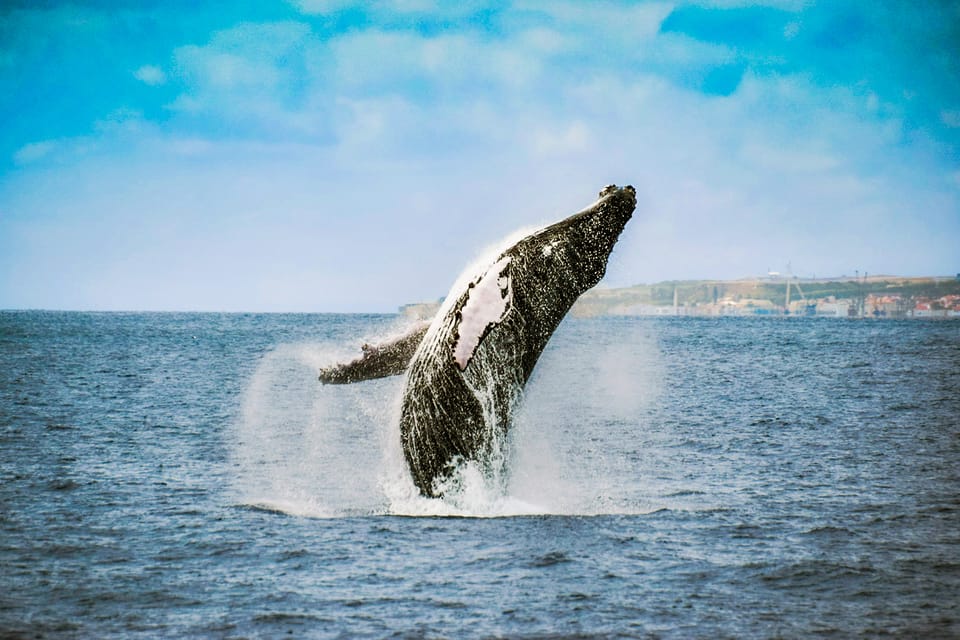
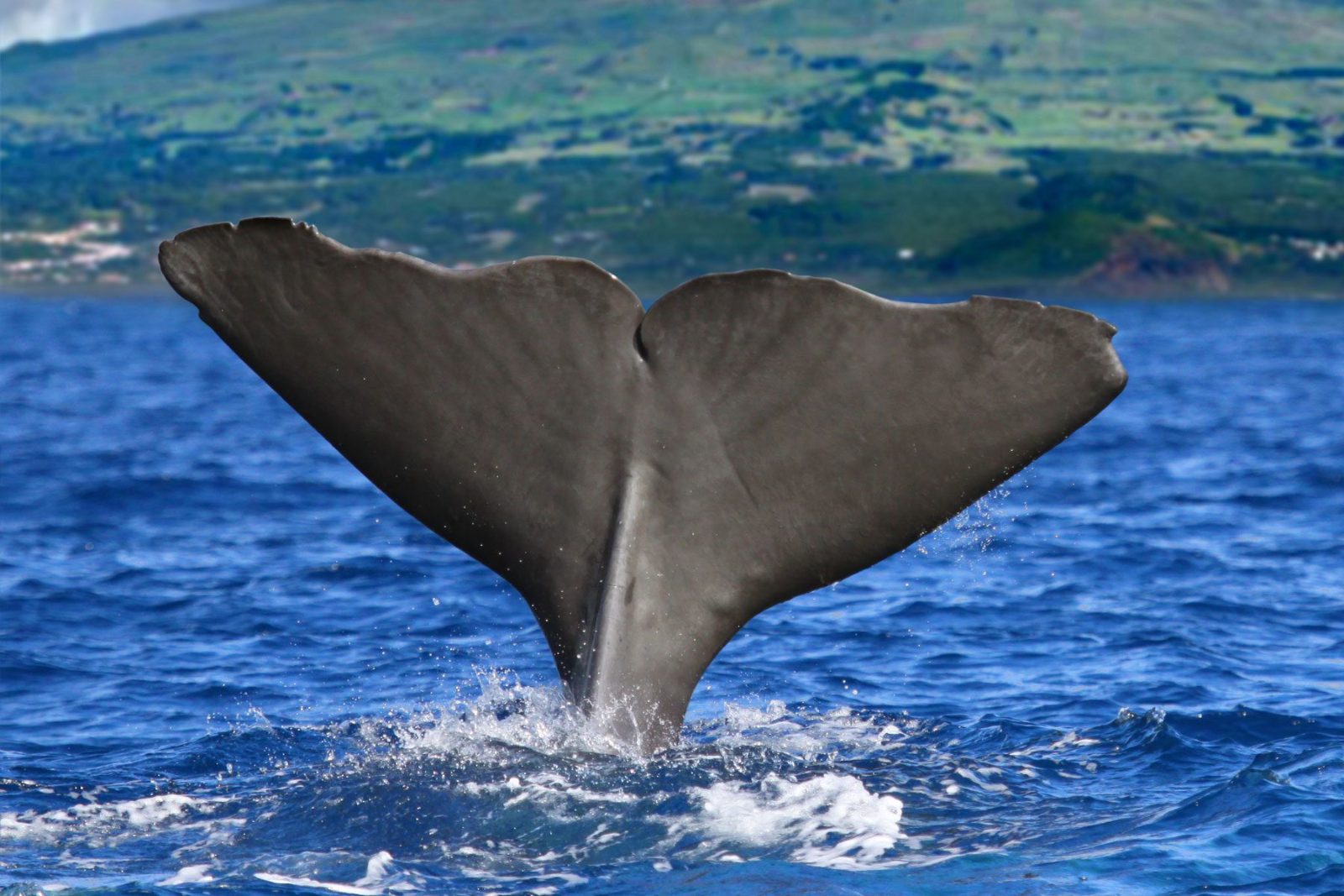
A marine biologist briefs the group on approach protocols and hand signals for sighting alerts, then the boat clears the breakwater and accelerates southwest toward coordinates radioed in by a vigia lookout perched 200 metres above the coast. Within 20 minutes, the engine cuts to idle. Ahead, a dark silhouette surfaces: a sperm whale exhaling a forward-angled blow that drifts downwind. The whale breathes eight times in slow succession, its wrinkled skin visible in the clear water, before raising its fluke and diving vertical. The hydrophone picks up a rhythmic clicking—echolocation pulses as the whale descends toward squid-rich depths.

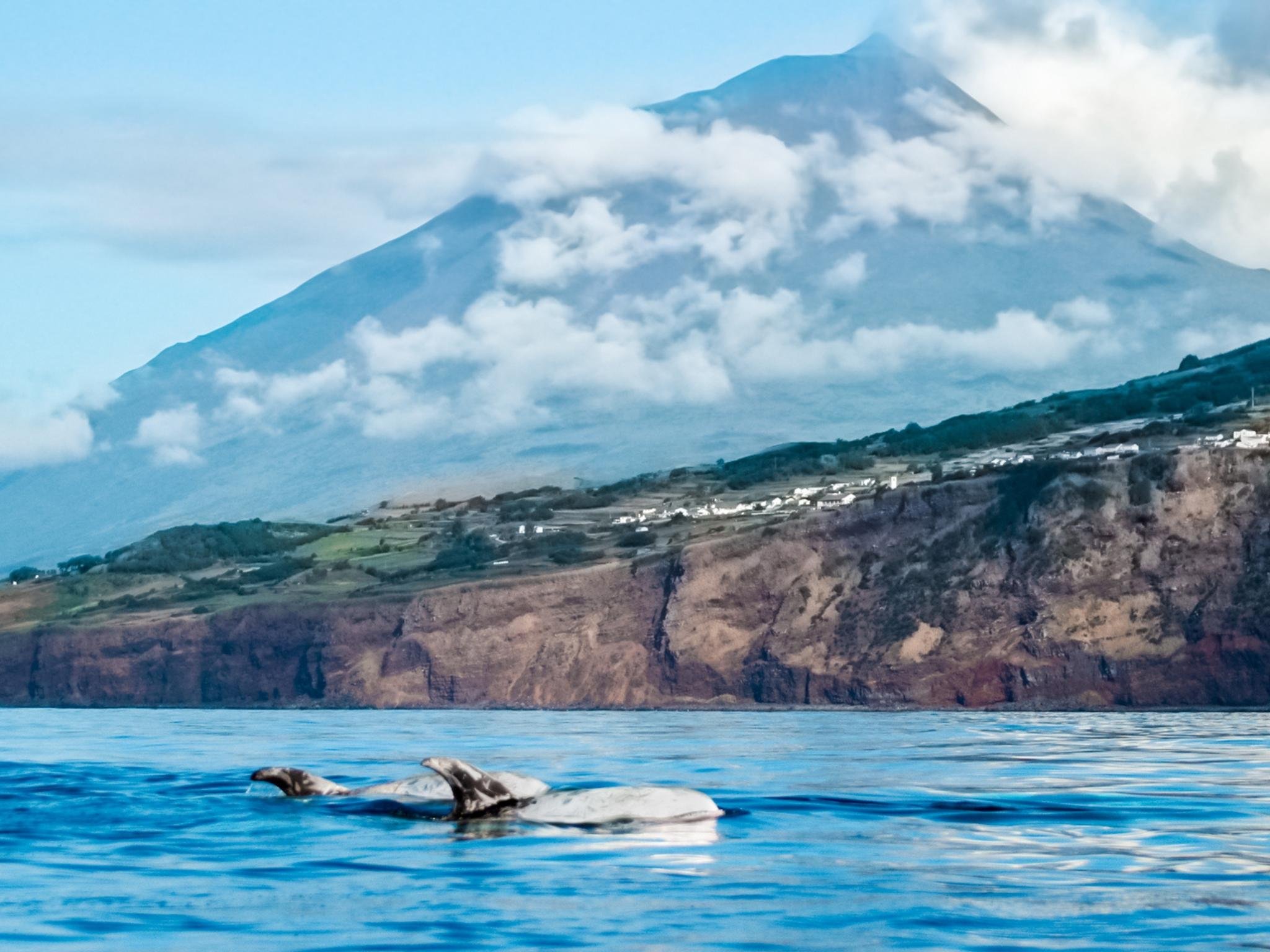
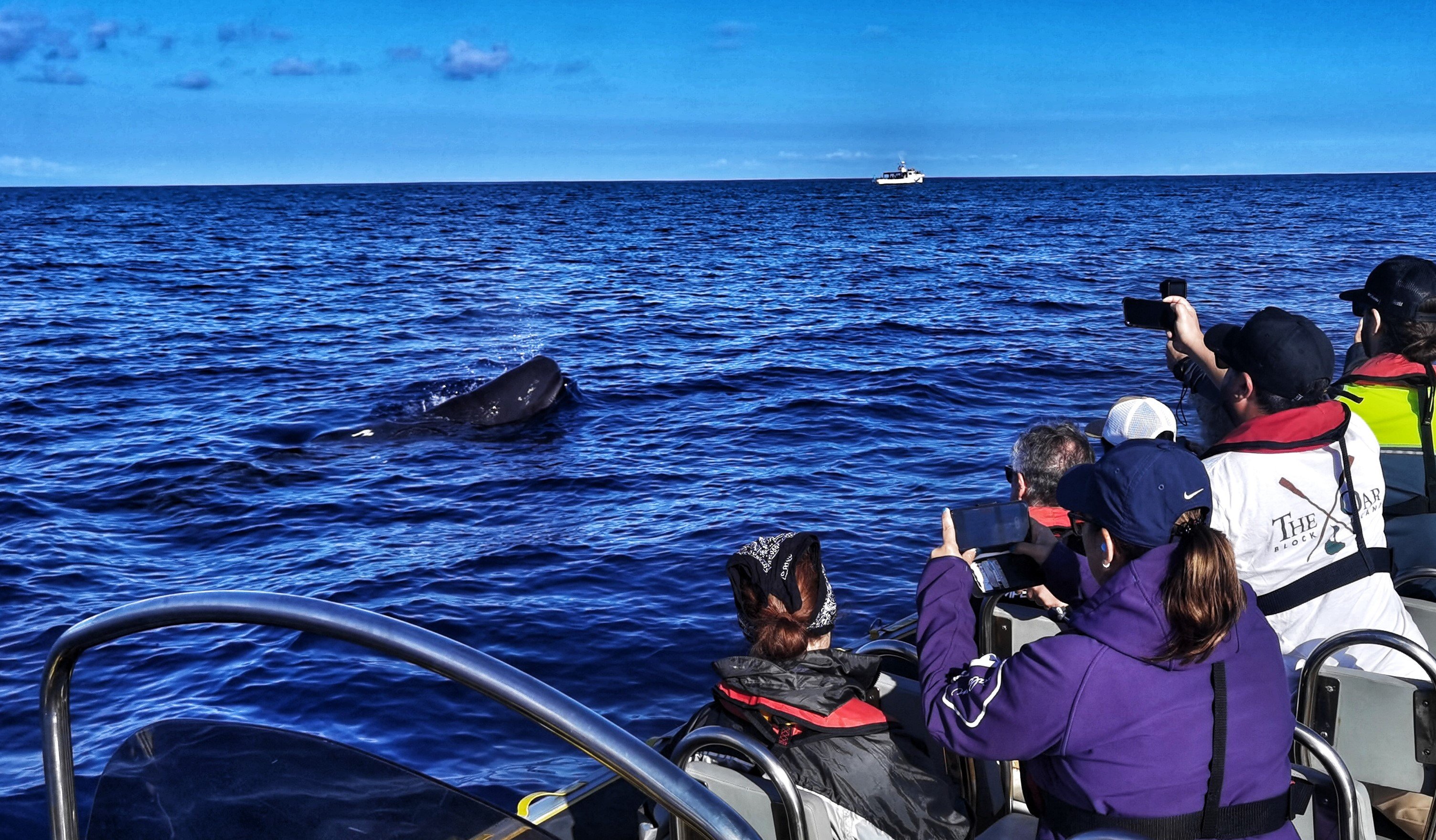
The boat drifts in silence for six minutes. When the whale resurfaces 400 metres away, the captain repositions at a respectful distance, allowing the animal to control the encounter. A pod of bottlenose dolphins intercepts the boat, bow-riding and leaping in the wake. The biologist identifies individuals by dorsal fin notches, cross-referencing a photo database on a tablet. After two hours and four separate whale encounters, the boat returns to the marina. You disembark by 11:30, clothing damp with salt spray, hydrophone recordings saved to your phone.

Azores Whale Watching Ponta Delgada
Everything You Need to Know

Your complete Azores Whale Watching Ponta Delgada guide

All the details about your upcoming adventure in one place

The Azores archipelago sits atop the Mid-Atlantic Ridge, where tectonic forces create a subsea canyon system that funnels nutrient-rich currents within three nautical miles of São Miguel's southern coast.

Twenty-four resident and migratory cetacean species pass through these waters year-round, the highest concentration per square kilometre in the North Atlantic. Sperm whales hunt squid along the canyon walls at depths exceeding 1,000 metres, surfacing to breathe in predictable intervals that local operators have studied for three decades. Bottlenose dolphins, Risso's dolphins, and common dolphins forage in mixed pods, often numbering in the hundreds during spring and autumn migrations. Blue whales and fin whales transit the channel between May and June, their low-frequency calls detectable by hydrophone arrays maintained by the University of the Azores.

Ponta Delgada became the archipelago's whale-watching hub in 1989, when former whalers retrained as marine guides and converted harpoon boats into research vessels. The shift from extraction to observation coincided with Portugal's 1987 ban on commercial whaling and the establishment of a protected marine corridor extending 12 nautical miles offshore. Today, azores whale watching ponta delgada operates under strict regulatory oversight: boats may not approach within 50 metres of cetaceans, engines must idle in proximity zones, and daily departure quotas prevent overcrowding. Marine biologists accompany most expeditions, collecting photo-identification data that feeds into long-term population studies coordinated by IMAR—Institute of Marine Research. Vigia lookouts, stationed on coastal cliffs as they were during the whaling era, now radio GPS coordinates to boats, reducing search time and fuel consumption while increasing encounter success rates above 95 per cent between April and October.

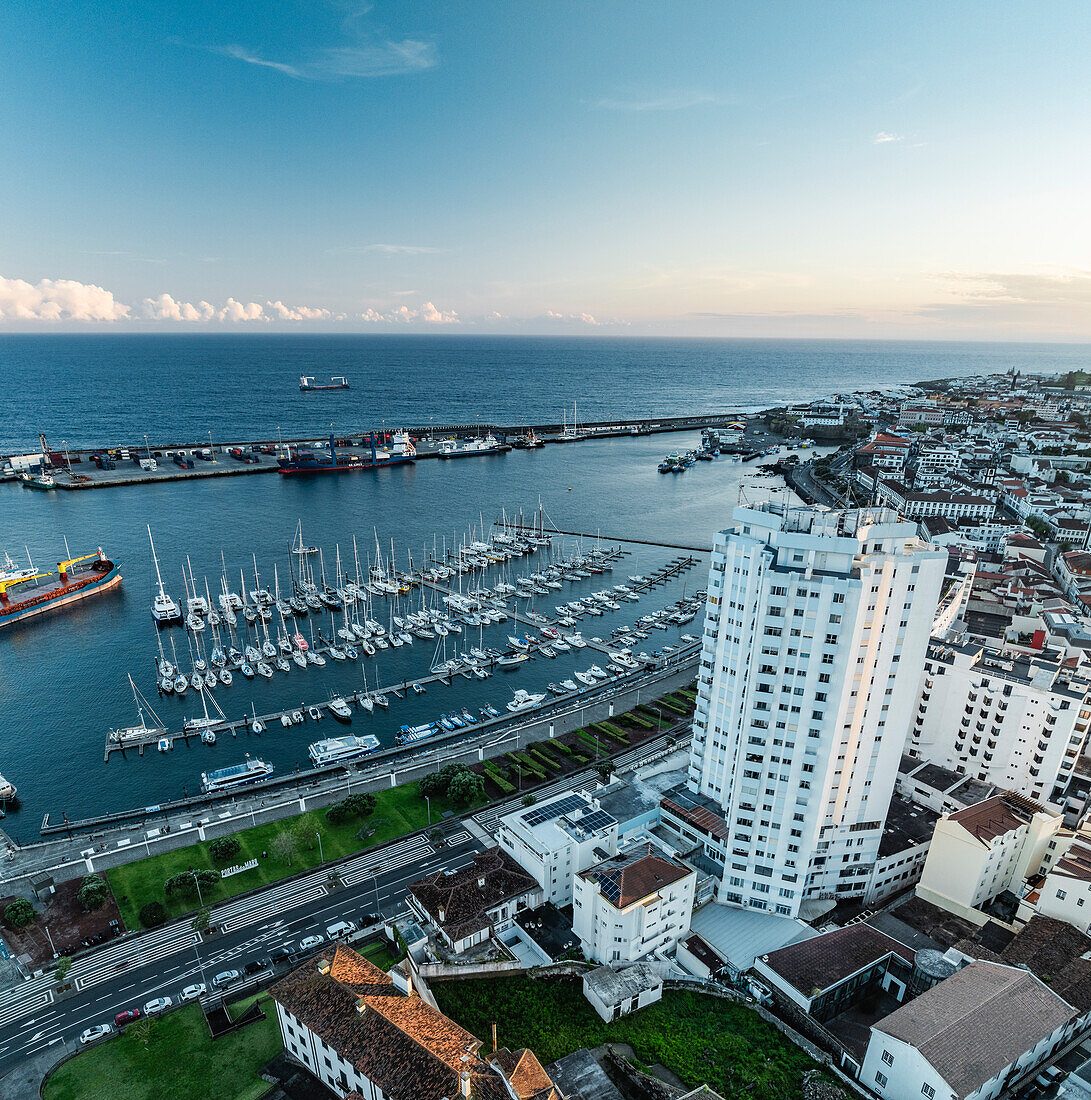
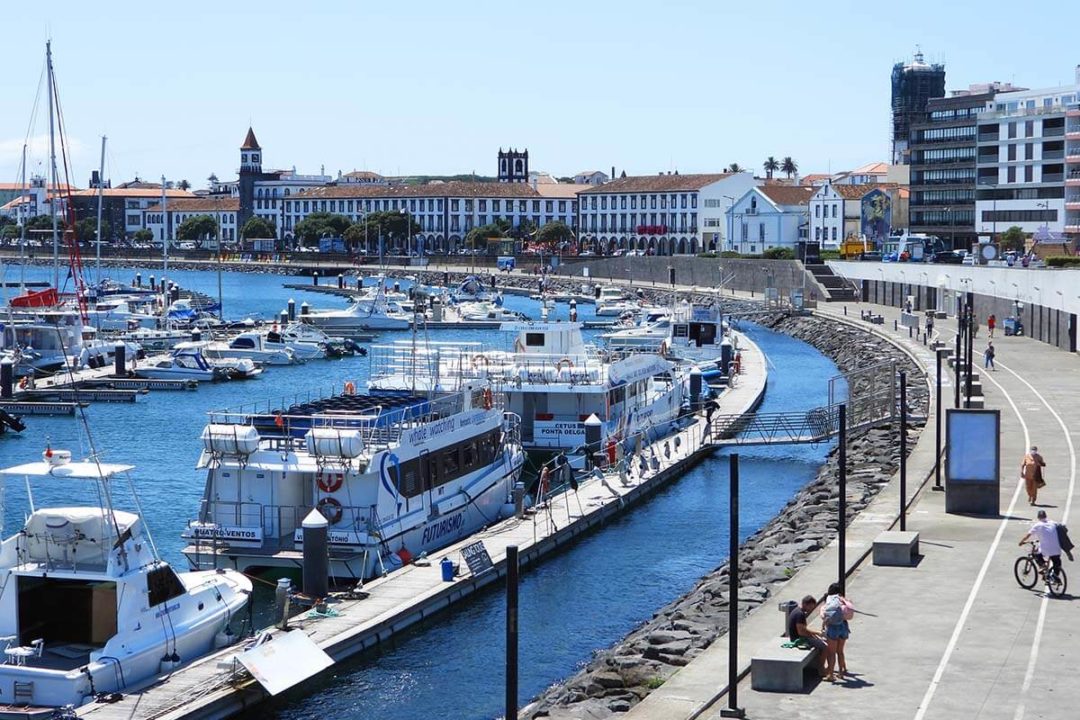
Marina Pêro de Teive serves as the departure point for azores whale watching ponta delgada tours, its sheltered basin protecting a fleet of rigid-hull inflatables and converted fishing trawlers. Morning departures capitalise on the calmest sea states, when swells average under one metre and visibility extends beyond ten nautical miles. Three-hour expeditions typically cover 15 to 25 nautical miles, following vigia guidance toward recent sightings while marine biologists narrate behavioural ecology and conservation challenges. Waterproof gear and life vests are mandatory; hydrophones allow passengers to hear sperm whale clicks and dolphin whistles in real time. The expeditions do not guarantee specific species, but logs show sperm whales appear on 80 per cent of trips, dolphins on 90 per cent, and baleen whales on 30 per cent during peak migration windows. No feeding or touching is permitted, and boats must withdraw if animals show signs of distress, a protocol enforced by onboard observers and harbour authorities.


Twenty-four resident and migratory cetacean species pass through these waters year-round, the highest concentration per square kilometre in the North Atlantic.

Dress code

Wear warm, windproof layers as temperatures drop significantly once the boat leaves the harbor. Non-slip rubber-soled shoes are required for safety on wet decks.

Bags & security

Only small, waterproof dry bags are permitted on board. Large luggage should be left at your accommodation or in secure storage lockers at the marina.

Photography

Photography is allowed, but ensure your equipment is protected from salt spray. Use a neck strap to secure cameras during vessel movement.

Families & strollers

Children must be accompanied by an adult at all times. Life jackets are mandatory and provided in various sizes for all age groups.

Accessibility

The marina office is accessible, but boarding vessels may require navigating steps or gangways. Please communicate mobility needs during booking so staff can assign appropriate boats.

Food & drink

Bringing bottled water and light, non-greasy snacks is permitted. Avoid heavy meals prior to departure to minimize motion sickness.

Not allowed

× Drones × Tripods × Large suitcases × Hard-shell coolers × Glass bottles × Professional recording gear × Umbrellas × Alcoholic beverages

What to bring

✓ Sunscreen ✓ Hat ✓ Sunglasses ✓ Waterproof jacket ✓ Seasickness medication ✓ Camera with strap

Opening hours

Mon 08:00 – 18:00
Tue 08:00 – 18:00
Wed 08:00 – 18:00
Thu 08:00 – 18:00
Fri 08:00 – 18:00
Sat 08:00 – 18:00
Sun 08:00 – 18:00

How to get there

At a glance

Opening Hours

08:00–18:00 daily

Address

Marina Pêro de Teive, Ponta Delgada, 9500-771, Azores, Portugal

Accessibility

Vessel access varies by tide and boat type

Best arrival

08:30–11:30

Storage

Limited space available at the booking office

Navigation

Located at the main marina in central Ponta Delgada

Getting there

Car · Varies · Paid parking

Parking is available at the marina, though spaces fill early.

Taxi · 10 min · Low cost

Readily available throughout the city center.

Cancellation policy

Cancellations made at least 24 hours in advance receive a full refund. The booking office entry is 0 EUR, but individual tour costs apply.

Plan your time

How to Plan Your Azores Whale Watching Ponta Delgada Timing

Recommended time

3-4 hours

Planning your azores whale watching ponta delgada experience requires balancing oceanic conditions with your itinerary. Visitors should reserve approximately half a day for these boat excursions, which include briefings at the marina and time on the water searching for marine mammals. Utilizing the best arrival window of 08:30–11:30 ensures you align with the calmest sea states, while afternoon azores whale watching ponta delgada tours often face increased wind and chop. Securing your azores whale watching ponta delgada tickets in advance allows for a smooth transition from the booking office to your vessel.

Crowd levels through the day

08:00–10:00 Light
10:00–12:00 Moderate
12:00–14:00 High
14:00–16:00 Moderate
16:00–18:00 Light
Plan ahead

Best time to visit Azores Whale Watching Ponta Delgada

Weather · crowds · average price — dots go green to amber to red as each metric rises.

Spring

April to June offers high sightings of migratory baleen whales.

Summer

July to September features calmest seas and high frequency of sperm whales.

Autumn

October brings milder weather, though sea conditions can become more variable.

Winter

November to March is the off-season with fewer scheduled departures.

Insider tips

Helpful tips for visiting Azores Whale Watching Ponta Delgada

Motion Sickness

Take preventative medication at least one hour before boarding. Sit in the center of the boat to reduce the sensation of movement.

Sea Conditions

Check the local weather forecast specifically for the coast before heading to your azores whale watching ponta delgada tour.

Where to meet

Azores Whale Watching Ponta Delgada meeting points

Marina Pêro de Teive

Marina Pêro de Teive, 9500-771

Main office located near the harbor entrance

Get directions
The story

The history of Azores Whale Watching Ponta Delgada

The Azores whale watching industry emerged from the archipelago's violent whaling past. From the early 18th century through 1987, São Miguel sustained shore-based whaling stations that hunted sperm whales using open boats and hand harpoons. Vigias—stone lookout towers scattered along clifftops—housed spotters who signaled cetacean sightings to crews below. The last commercial whale was taken in 1984. When Portugal banned whaling three years later, dozens of experienced harpooners and lookout operators faced unemployment. Serge Viallelle, a French marine biologist working with the University of the Azores, recognized that the same skills that made Azorean whalers effective—intimate knowledge of cetacean behavior, sea conditions, and migratory routes—could support non-lethal observation. In 1989, he partnered with former whalers to launch Espaço Talassa, the archipelago's first commercial whale watching operation in Ponta Delgada. Early tours departed from Marina Pêro de Teive using converted fishing vessels. The operation retained traditional vigia spotters, now relaying whale locations via radio to guide boats efficiently. This model reduced search time and fuel consumption while employing men who had spent decades reading the ocean. By the mid-1990s, azores whale watching ponta delgada tours had proliferated as international demand grew. The regional government formalized licensing in 1998, mandating minimum approach distances and limiting vessel numbers per sighting. Twenty-four resident and migratory species—including blue whales, fin whales, and common dolphins—transit Azorean waters, making year-round operations viable. Former whaling families now operate multiple charter companies. The vigias remain active, their century-old stonework preserved as cultural heritage and functional infrastructure. What began as economic necessity became the Azores' primary marine tourism sector, generating over €8 million annually by 2020.

1700s–1980s

Shore-based sperm whaling sustained São Miguel's coastal economy using open boats and hand harpoons.

1984

Azorean whalers took their final commercial whale before Portugal's impending ban.

1987

Portugal officially prohibited whaling; dozens of harpooners and vigia lookouts lost traditional livelihoods.

1989

Serge Viallelle and former whalers founded Espaço Talassa, the Azores' first whale watching company, departing from Ponta Delgada.

1998

Regional government introduced mandatory licensing and approach-distance regulations for all cetacean observation operators.

2020s

Twenty-four cetacean species and year-round sightings made azores whale watching ponta delgada a cornerstone of marine tourism, employing former whaling families.

Photo spots

Best photo spots at Azores Whale Watching Ponta Delgada

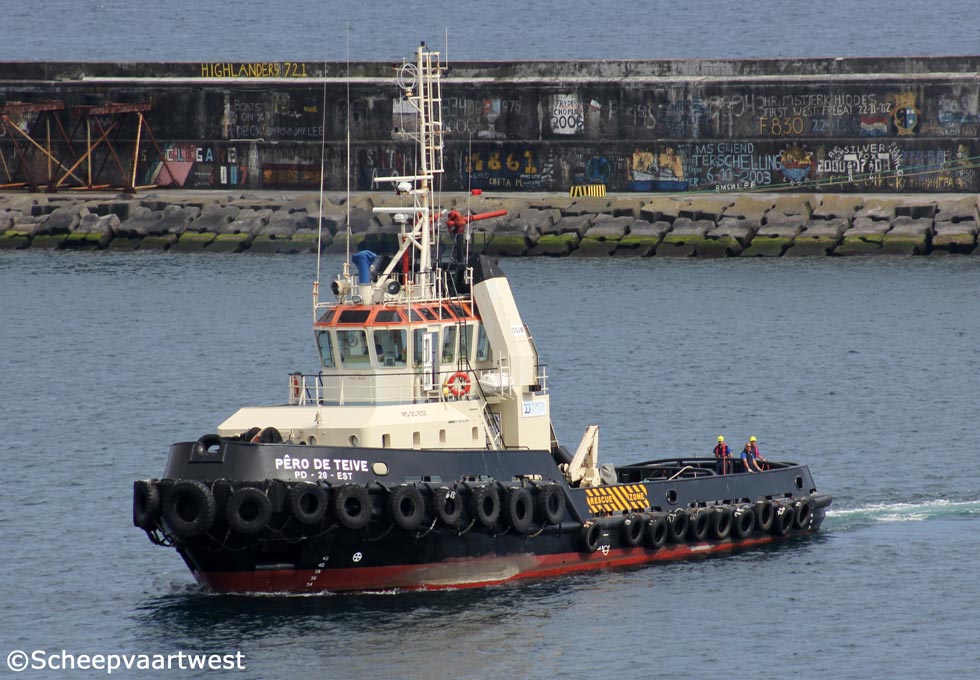
Marina Pêro de Teive Pier

Marina Pêro de Teive Pier

Best light · 08:30–11:30

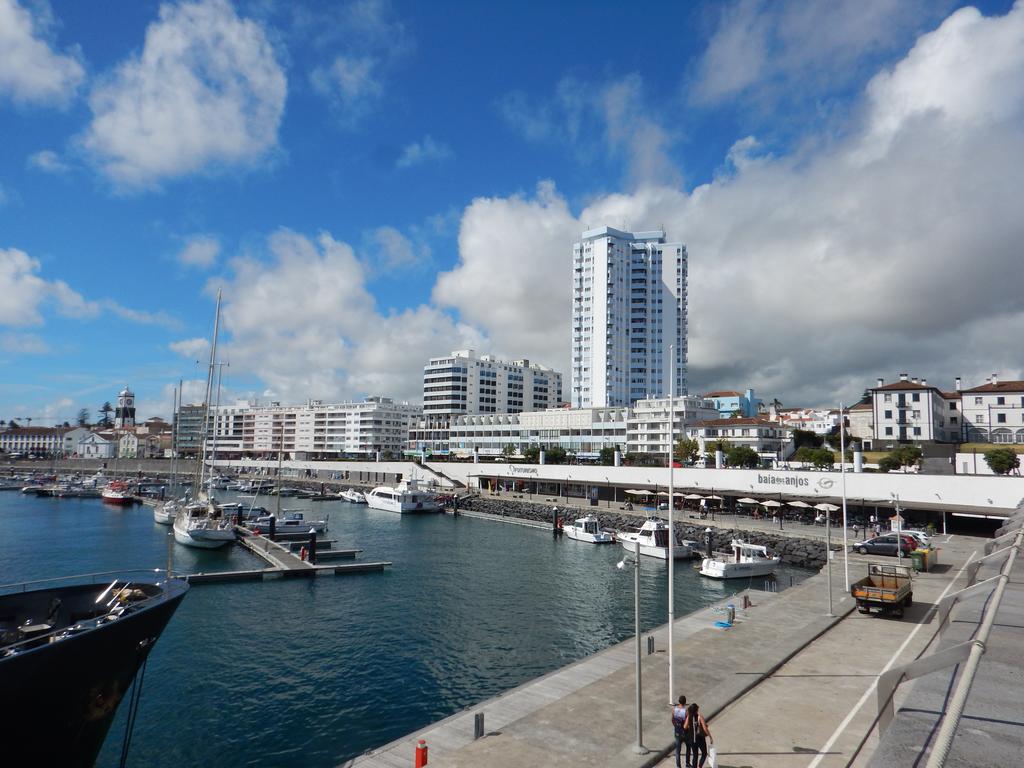
Stand at the edge of the floating docks to capture the vessels preparing for departure against the backdrop of the city harbor. This location provides a low-angle perspective of the boats before you embark on your azores whale watching ponta delgada adventure.

Portas do Mar Promenade

Portas do Mar Promenade

Best light · Morning

Position your camera along the wide stone walkway to frame the Atlantic Ocean with the marina architecture in the foreground. This vantage point is ideal for capturing the scale of the marine expedition fleet during azores whale watching ponta delgada tours.

Ponta Delgada Breakwater

Ponta Delgada Breakwater

Best light · Golden hour

Walk toward the end of the breakwater to get an unobstructed view of the coastline as boats exit the harbor. It serves as a prime spot to photograph the craft heading out for their azores whale watching ponta delgada tour.

São Miguel Harbor Edge

São Miguel Harbor Edge

Best light · Mid-morning

Find a clear space along the seawall to photograph the contrast between the historic town buildings and the modern maritime infrastructure. Many travelers utilize this angle to document their azores whale watching ponta delgada tickets purchase experience.

Gallery

Moments from Azores Whale Watching Ponta Delgada

With kids

Family Logistics for Azores Whale Watching Ponta Delgada

Exploring the Atlantic marine life is a highlight for families choosing azores whale watching ponta delgada. Preparing children for a boat excursion requires attention to safety and sea conditions to ensure a smooth experience for all ages.

Age Suitability

While there is no strict minimum age, these boat trips are generally recommended for children aged 5 and older who can sit steadily; ensure you check the specific requirements for your chosen azores whale watching ponta delgada tours before booking.

Safety Gear

Life jackets are provided for all passengers and must be worn during the entire maritime excursion.

Strollers

Strollers are not suitable for use on board the vessels; however, they can be left at the booking office at Marina Pêro de Teive, Ponta Delgada, 9500-771, Azores, Portugal.

Facilities

There are no baby-change facilities on the boats, so ensure you are prepared before departure for your azores whale watching ponta delgada tickets adventure.

Preparation

The Atlantic can be unpredictable, so consider motion sickness remedies for children before boarding your azores whale watching ponta delgada tour.

Food & drink

Dining Options Near Azores Whale Watching Ponta Delgada

Visitors planning for azores whale watching ponta delgada will find several convenient dining spots located directly at the Marina Pêro de Teive. These establishments are ideal for grabbing a coffee before your boat departs or enjoying a meal after your marine wildlife tour.

A Tasca

€€

Bistro — 5 min walk

Popular for local Azorean tapas and fresh fish, this spot is frequently crowded, so booking ahead is wise. It provides an authentic atmosphere for those securing azores whale watching ponta delgada tours.

Suplexio

€€

Hamburger restaurant — 8 min walk

Known for high-quality burgers and craft beer, this casual venue serves as a great post-excursion refuel point. It is a favorite among travelers using azores whale watching ponta delgada tickets.

Bar da Marina

Café inside

Situated right at the harbor, this venue offers quick snacks and drinks perfect for a brief pause. Its location makes it the most accessible choice for anyone holding a valid azores whale watching ponta delgada tour.

FAQ

Azores Whale Watching Ponta Delgada — frequently asked questions

Everything you need to know for your journey

Around the corner

More to see near Azores Whale Watching Ponta Delgada

Portas da Cidade

5 min walk

landmark

Iconic three-arch gate marking the city entrance

Igreja Matriz de São Sebastião

7 min walk

church

Historic 16th-century church with ornate carvings

Forte de São Brás

10 min walk

landmark

Military fortress housing a naval museum

Where to stay

Where to stay near Azores Whale Watching Ponta Delgada

Hotel Marina Atlântico

2 min walk

luxury

Overlooking the harbor

Azoris Royal Garden

10 min walk

mid-range

Garden setting

Residencial Alcides

8 min walk

budget

Central location

Ready for Adventure?

Join thousands of happy travelers who have discovered this incredible experience

Book Your Experience Now