3 hr
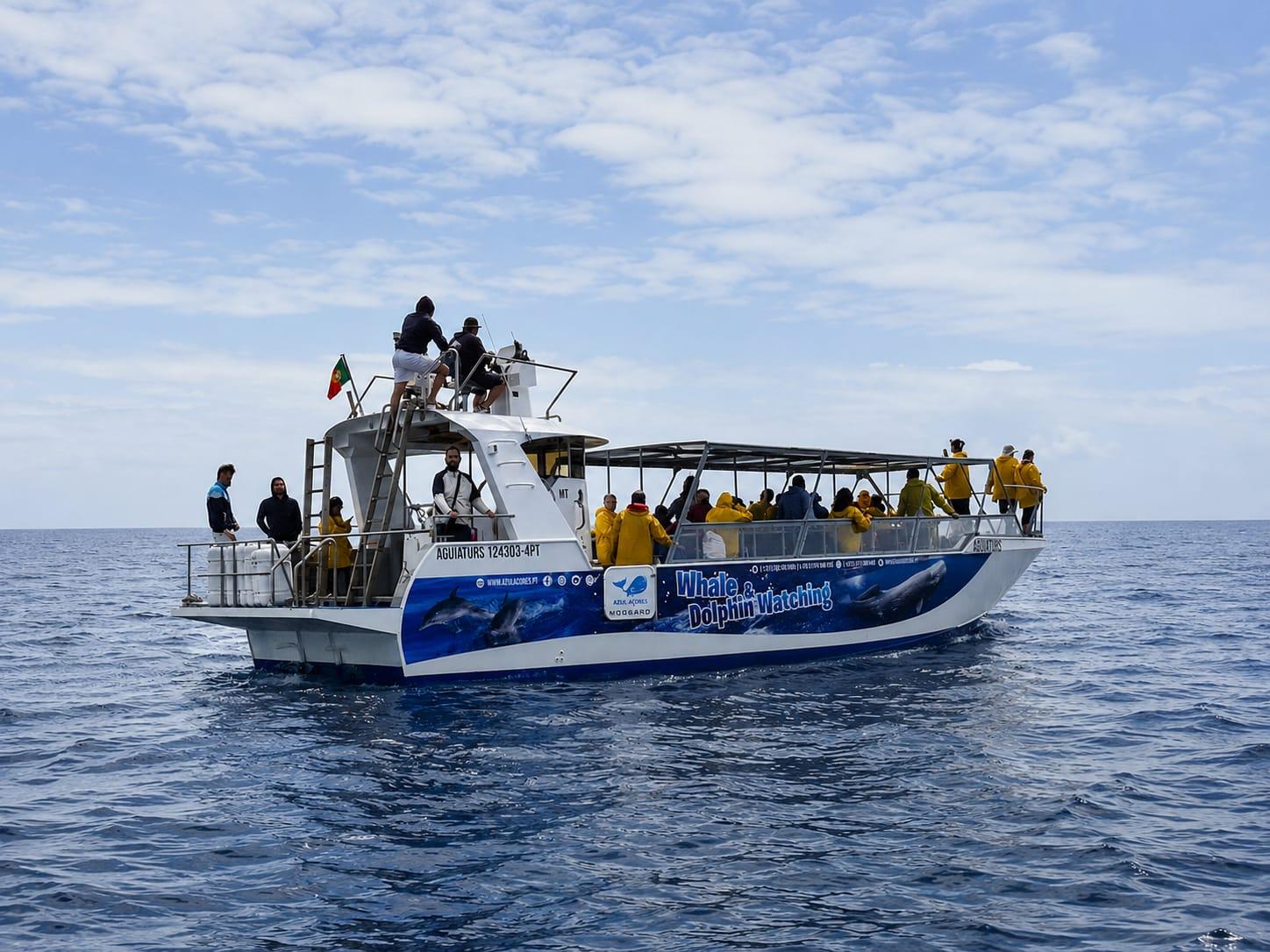
Azores Whale & Dolphin Watching Adventure
- Entry ticket
- Mobile voucher
- Valid same day
- Free cancellation
Azores Whale Watching — Daily Departures & Marine Encounters
Mid-Atlantic currents bring 28 species to volcanic shores, year-round sightings from island harbors
Compare fares, pick the fit — all bookings are mobile-voucher and eligible for free cancellation where shown.
3 hr
3 hr
3 hr
| Experience | From | Duration | Rating | Guide | Small group | Free cancel. | Price | |
|---|---|---|---|---|---|---|---|---|
|
Standard Entry
Most popular
Azores Whale & Dolphin Watching Adventure
|
— | 3 hr | ★ 4.6 | ✓ | — | ✓ | $80 | Book → |
|
Standard Entry
Azores Whale Watching & Islet Boat Tour with Marine Biologist
|
— | 3 hr | ★ 4.7 | ✓ | ✓ | ✓ | $75 | Book → |
|
Standard Entry
Whale Watching Adventure from Lajes do Pico
|
Lajes do Pico | 3 hr | ★ 4.9 | ✓ | ✓ | ✓ | €70 | Book → |
Observing cetaceans from a boat offers a perspective on marine biodiversity, whereas swimming with dolphins provides a direct physical encounter; most travelers find that azores whale watching tours yield more consistent sightings, while dolphin swims create a more immersive sensory connection.
|
Top pick Whale Watching |
Swimming with Dolphins | |
|---|---|---|
| Primary focus | Observation of marine mammals | Direct interaction with dolphins |
| Level of interaction | Remote observation from vessel | In-water contact and observation |
| Energy required | Low; sitting on boat | High; requires swimming ability |
| Species frequency | High; multiple species observed | Specific to dolphin pods |
| Suitable for all ages | Yes; family-friendly | Limited to confident swimmers |
| See tickets & prices |
Verdict: If you prefer educational insights and viewing wild animals in their natural habitat, choose an azores whale watching tour, but opt for swimming excursions if you seek an active, personal aquatic encounter.
Hand-picked experiences loved by thousands of travelers
3 hours
Free Cancellation
Embark on a thrilling ocean safari to encounter whales and dolphins in one of the planet's premier marine wildlife destinations.
2.5 hours
Free Cancellation
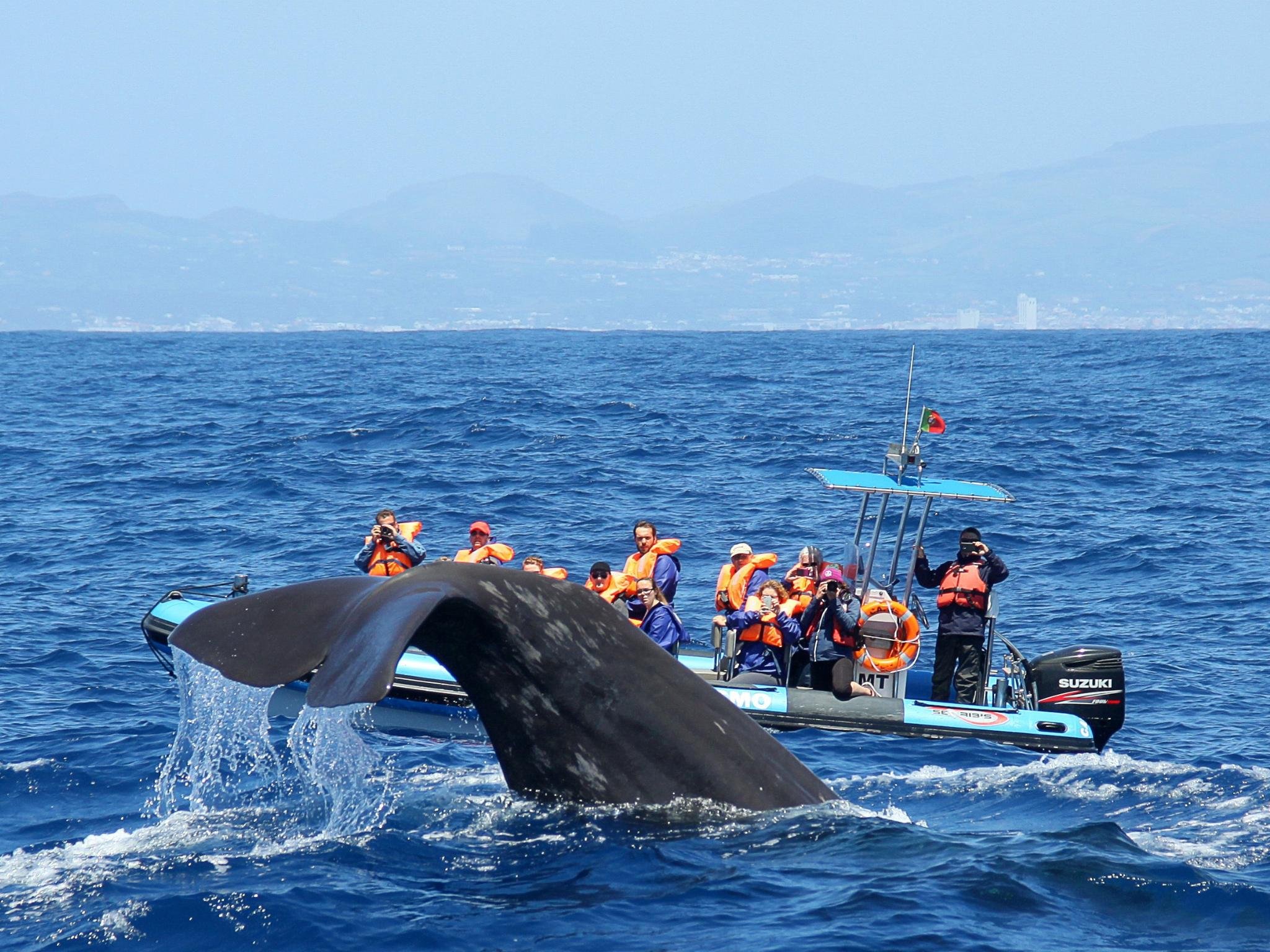
Search for cetaceans along Pico's coast aboard a Zodiac with marine biologist guides
3 hours
Free Cancellation
Journey into Atlantic waters to observe sperm whales with expert marine biologists guiding your adventure
2.5 hours
Free Cancellation
Guided marine safari off Terceira with land-based spotter support and 90% sighting success rate
3 hours
Free Cancellation
Join PhD marine biologists on a science-backed cetacean expedition in the Azores' rich waters
3 hours
Free Cancellation
Join marine scientists on a 3-hour expedition to observe cetaceans and collect field data
8 hours
Free Cancellation
Marine life encounters with expert biologists, plus swimming in a volcanic crater lagoon
6 hours
Free Cancellation
Encounter cetaceans by boat in the morning, then snorkel with wild dolphins in open water
Arrive at the harbor 30 minutes before departure.
Learn about cetacean safety and vessel rules.
Sail to open waters for azores whale watching.
Disembark and conclude the maritime excursion.
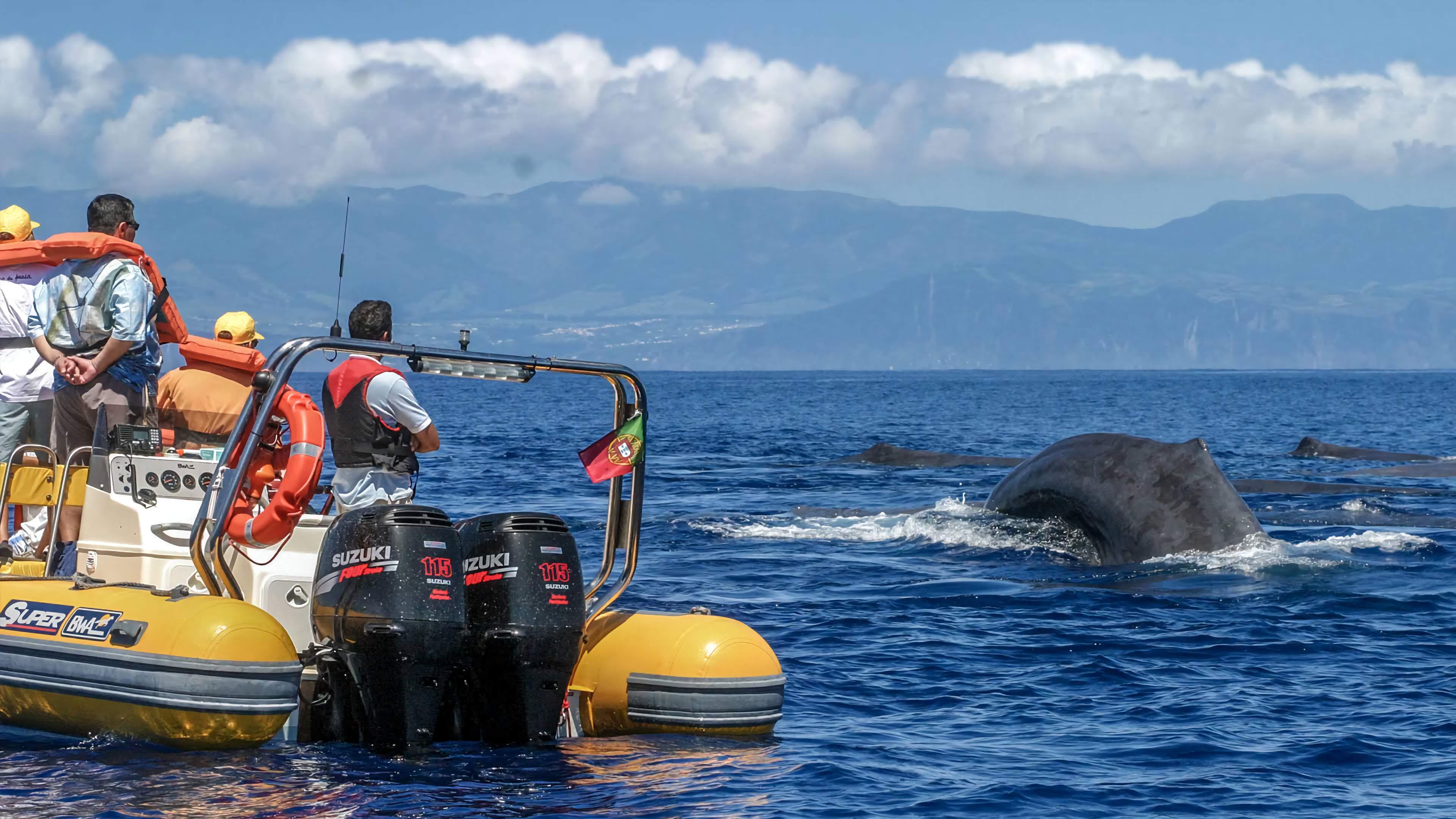
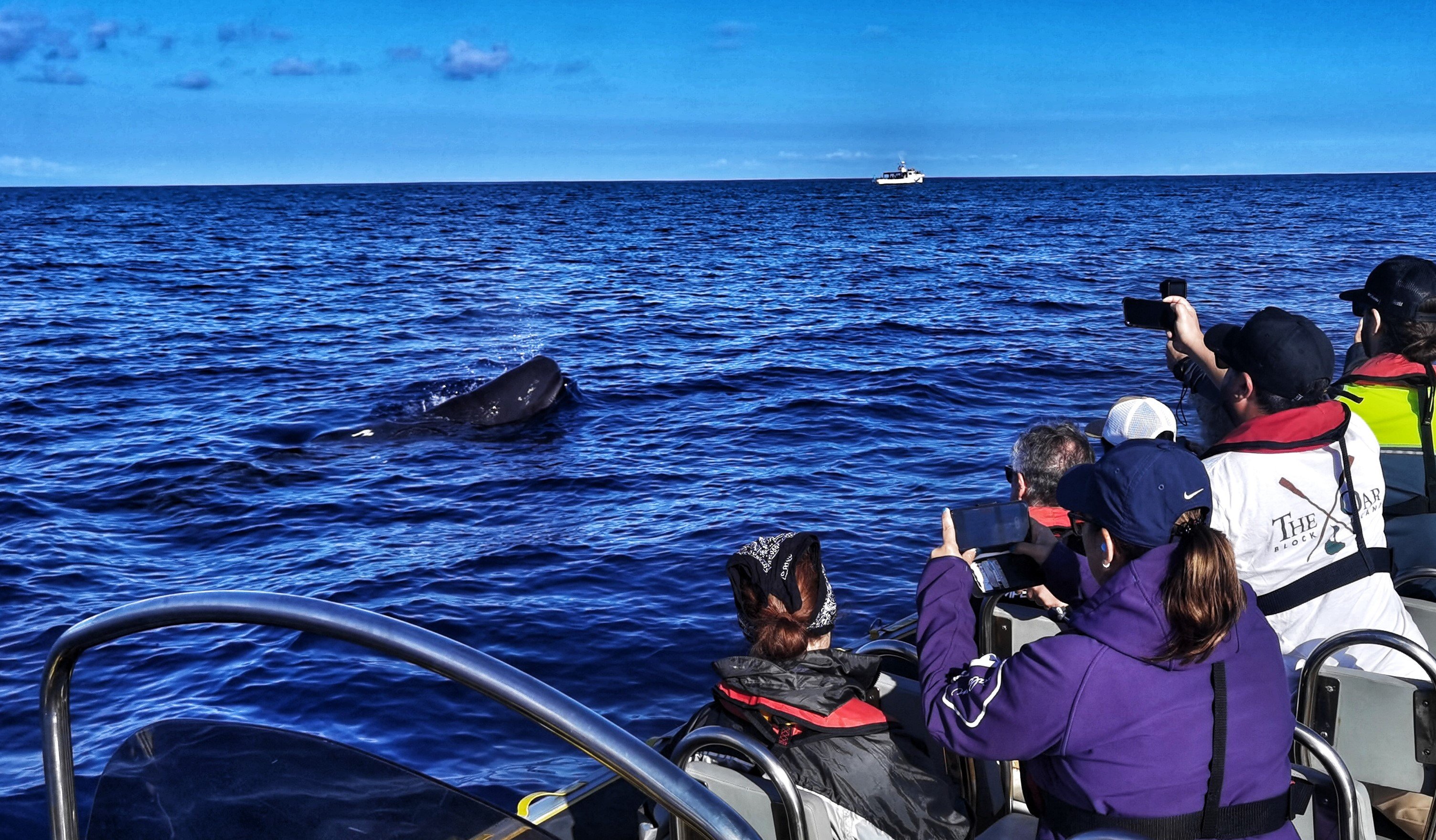
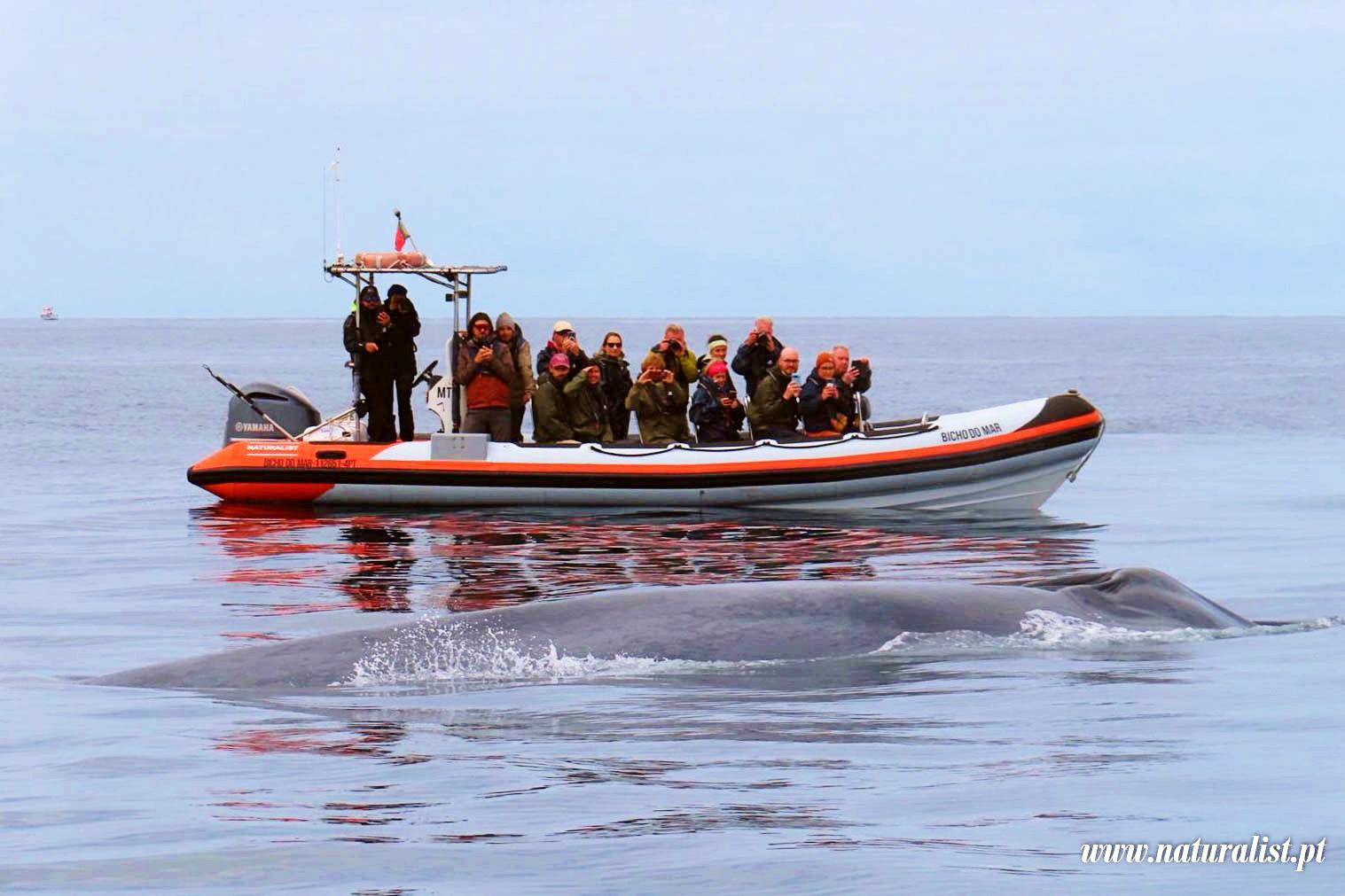
You board a rigid inflatable at Ponta Delgada harbor shortly after 08:00, the air cool and the Atlantic calm under early light. The boat clears the breakwater and accelerates west, where the vigia lookout has radioed coordinates of a sperm whale pod. Fifteen minutes offshore, the skipper cuts the engine.
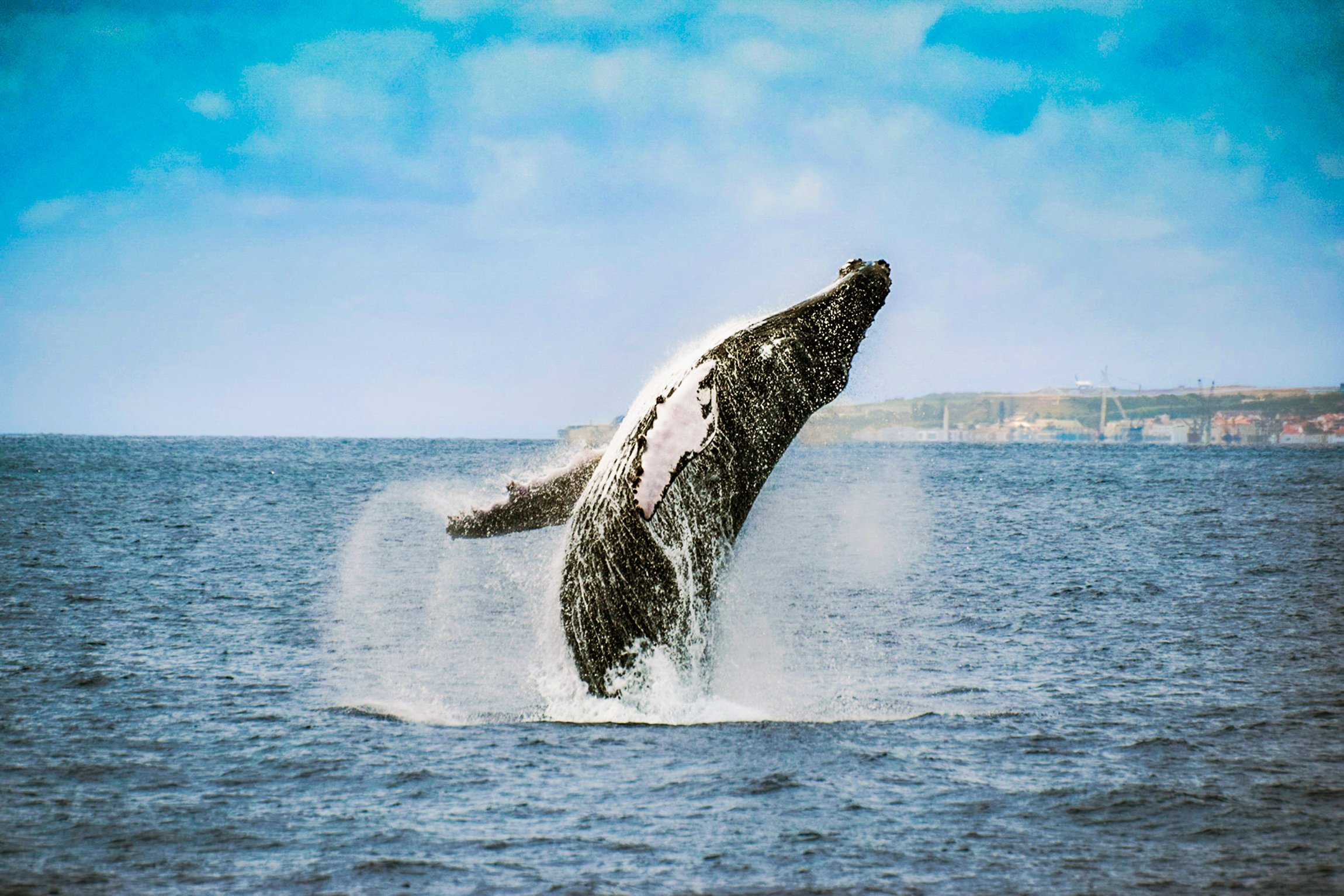
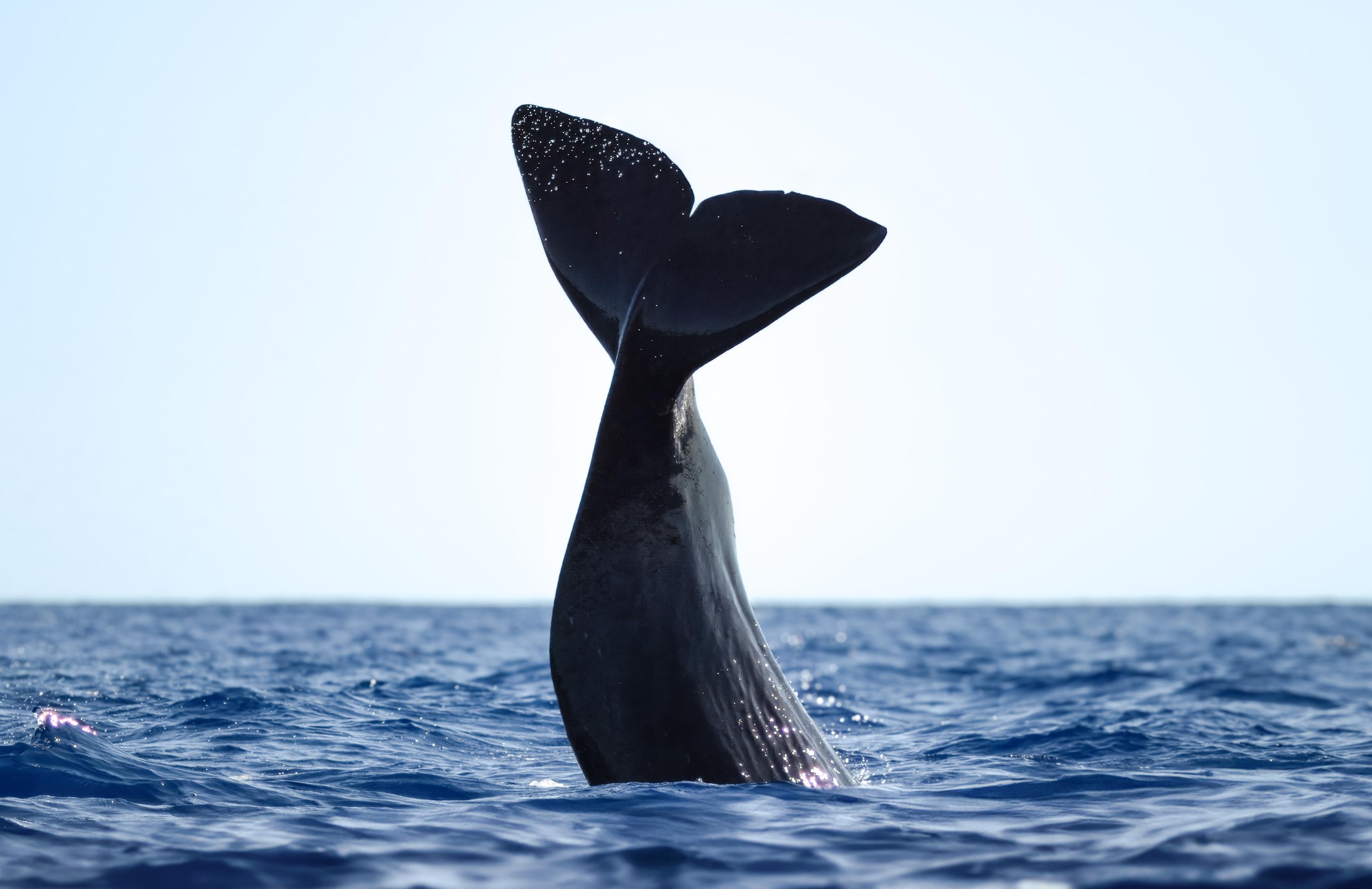
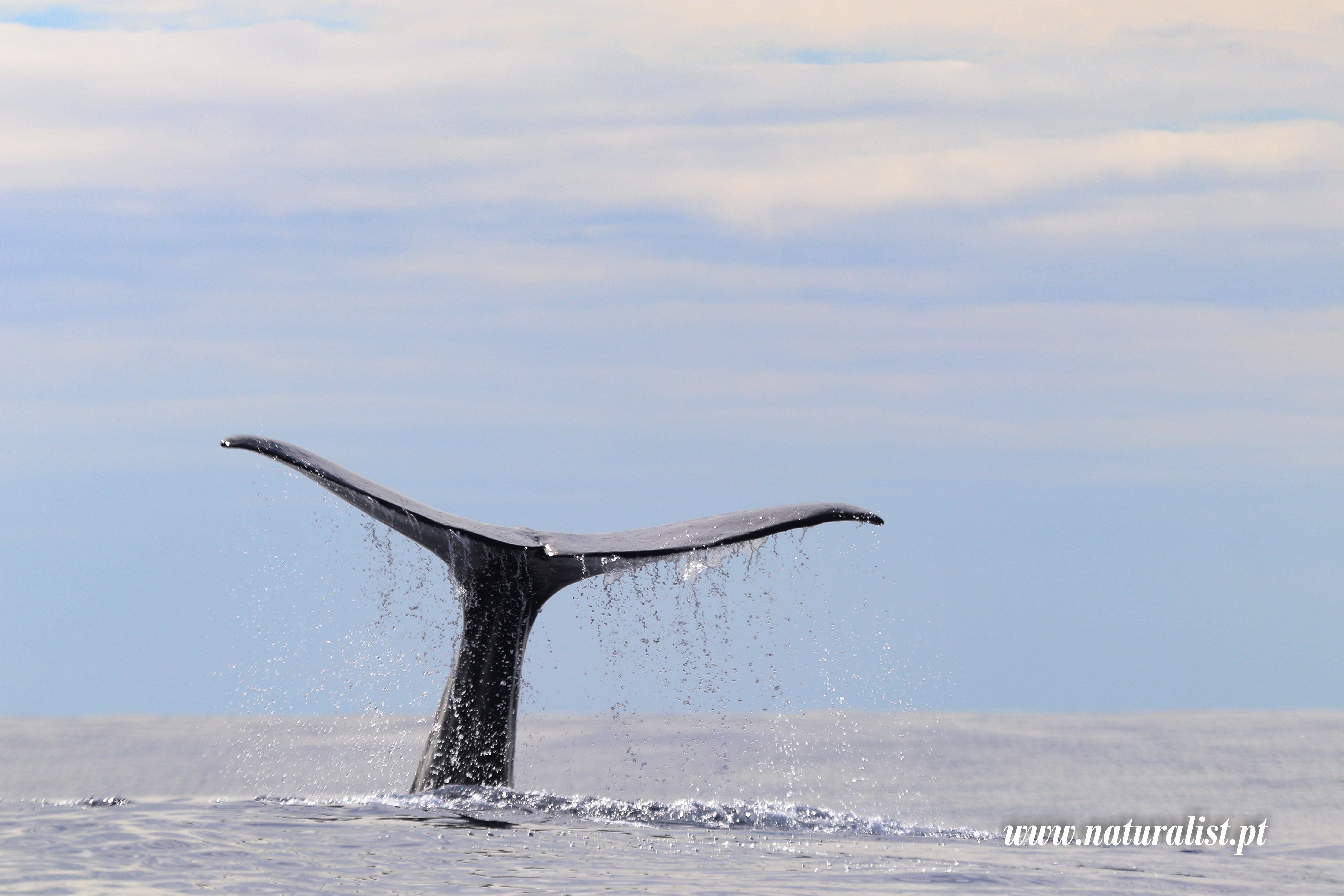
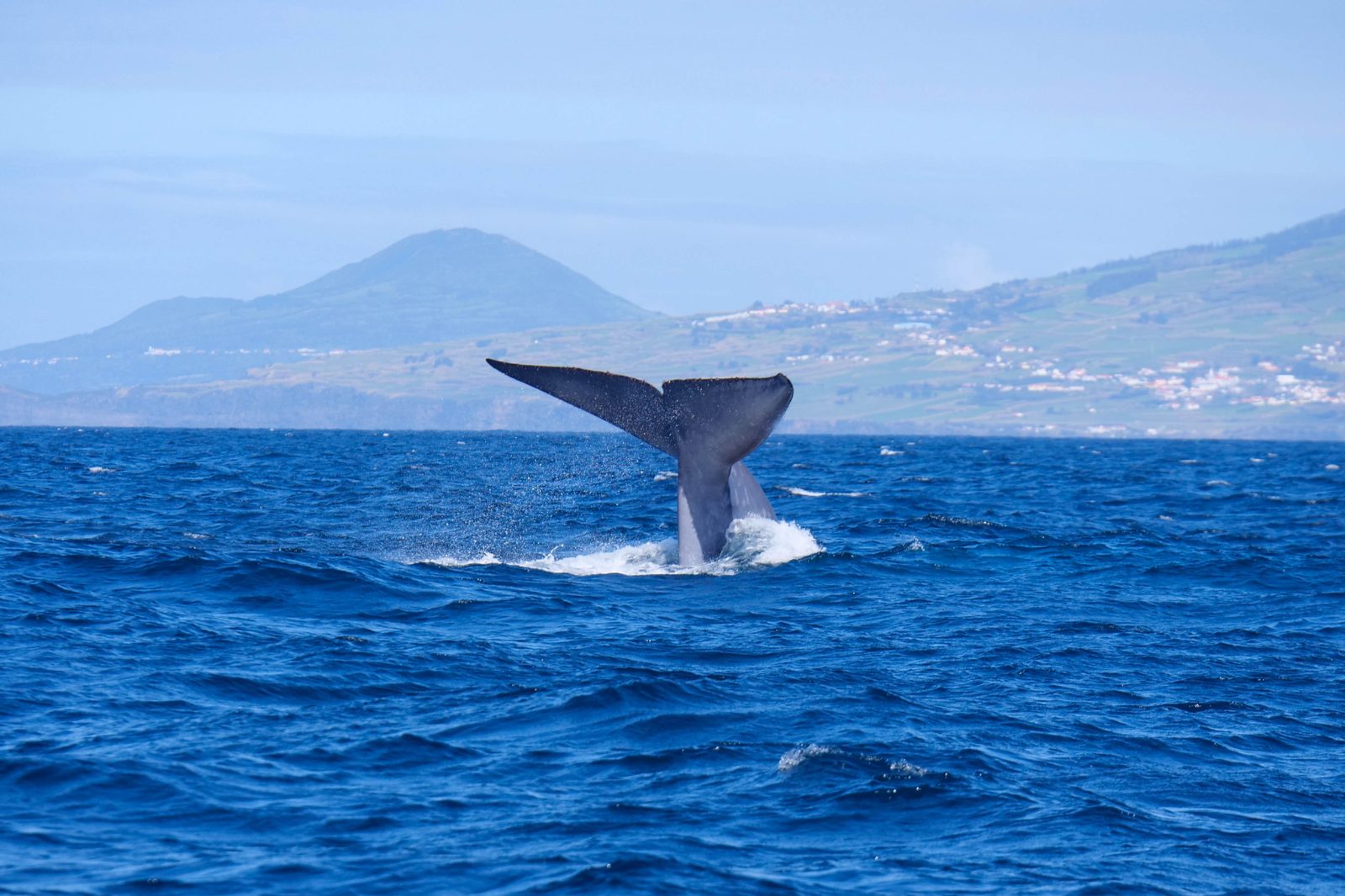
You scan the horizon. A plume of mist rises 300 meters ahead, then a dark back surfaces, rolls, and arches. The whale's fluke lifts vertically, water streaming from its edges, before it descends into a hunting dive that will last forty minutes.
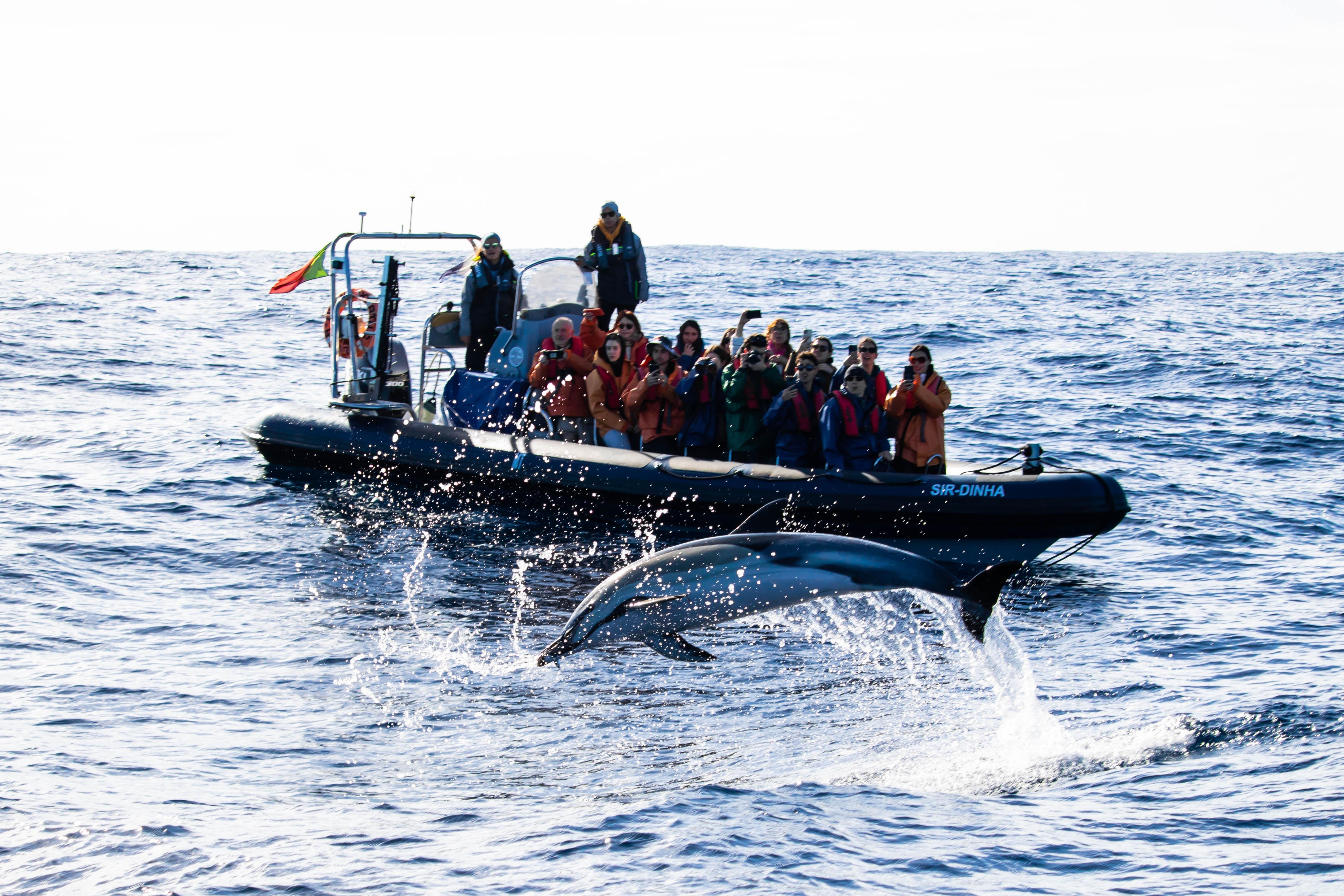
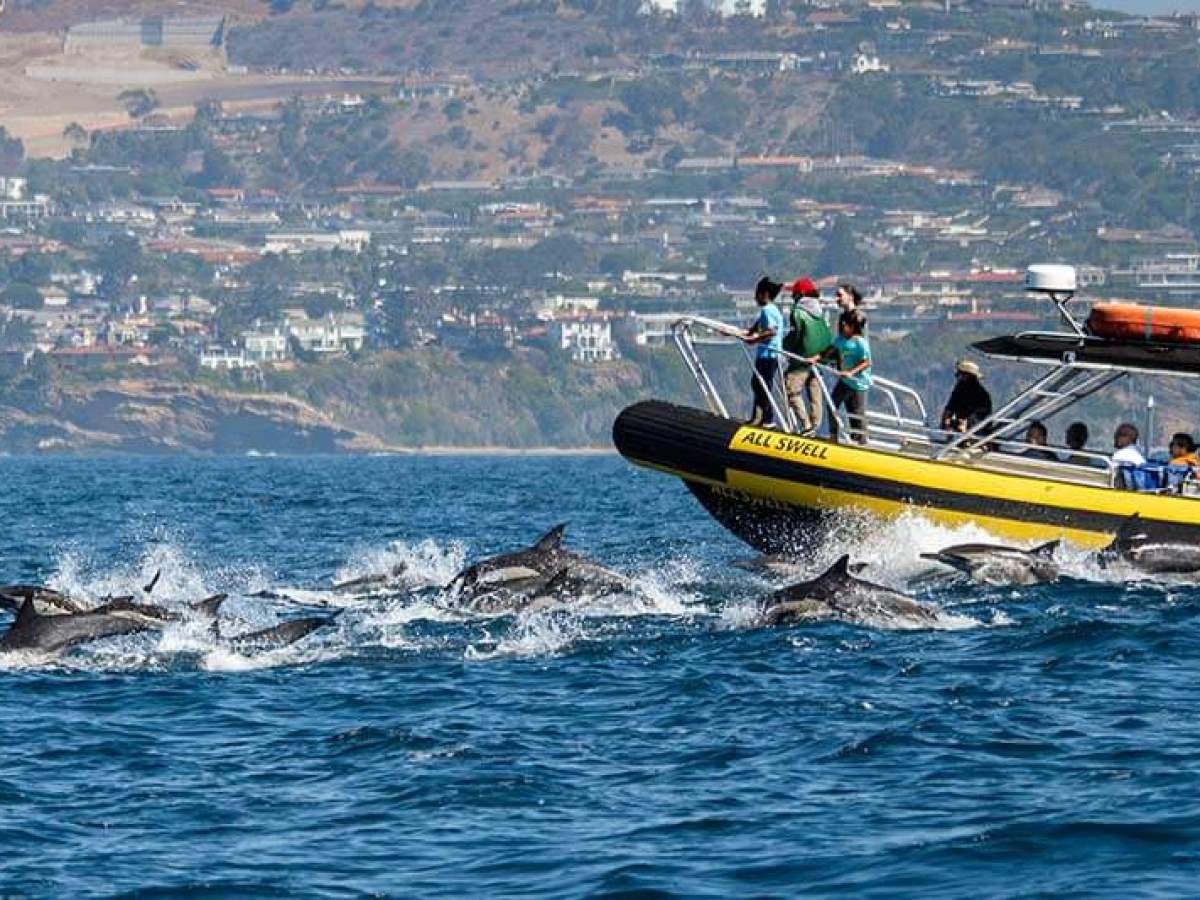
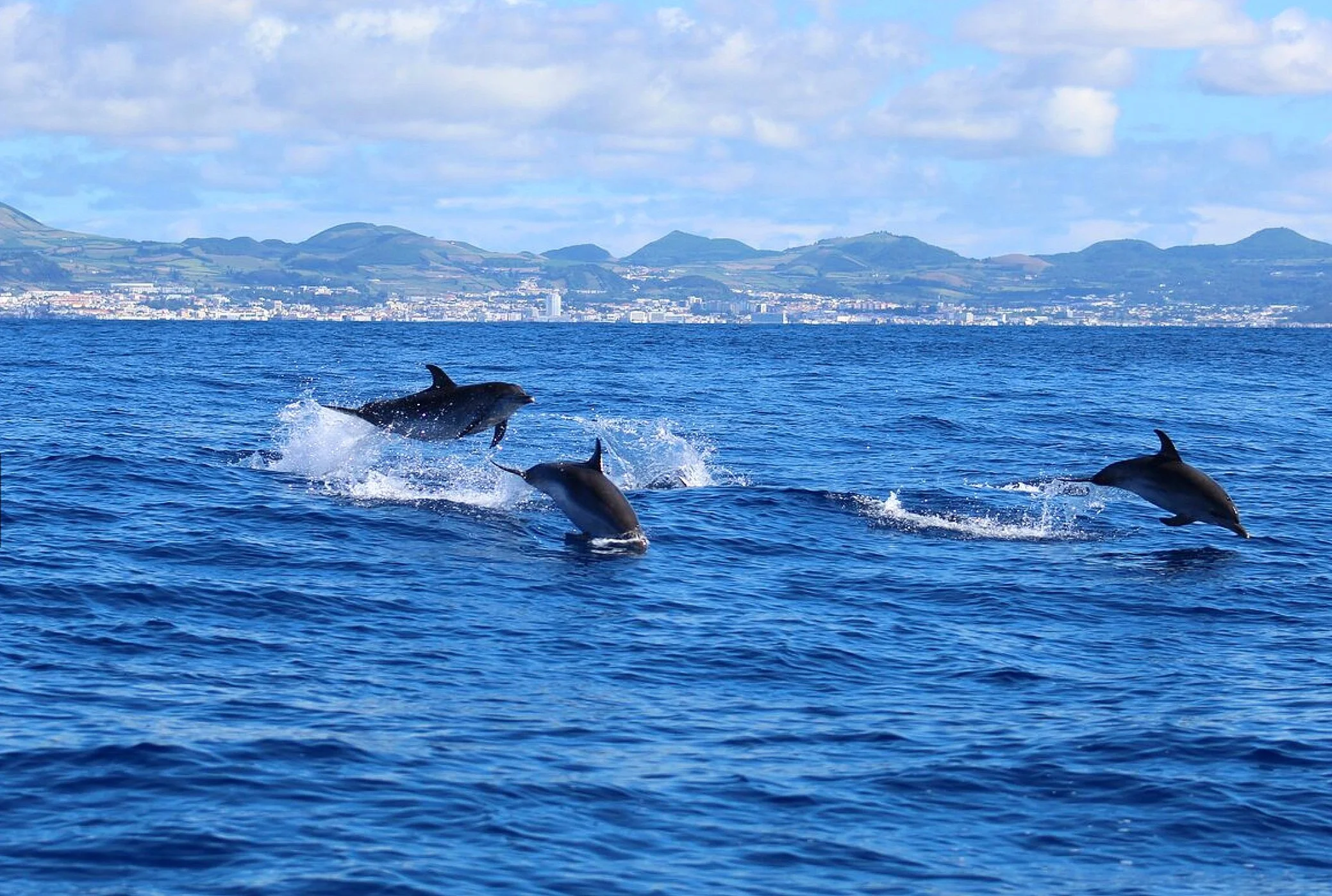
The boat repositions near a shallow seamount. Within minutes, a pod of common dolphins approaches, riding the bow wave and leaping in synchronized arcs. The marine biologist points out calves tucked against their mothers and explains the pod's social structure. You count thirty individuals, their bodies striped in tan and gray.
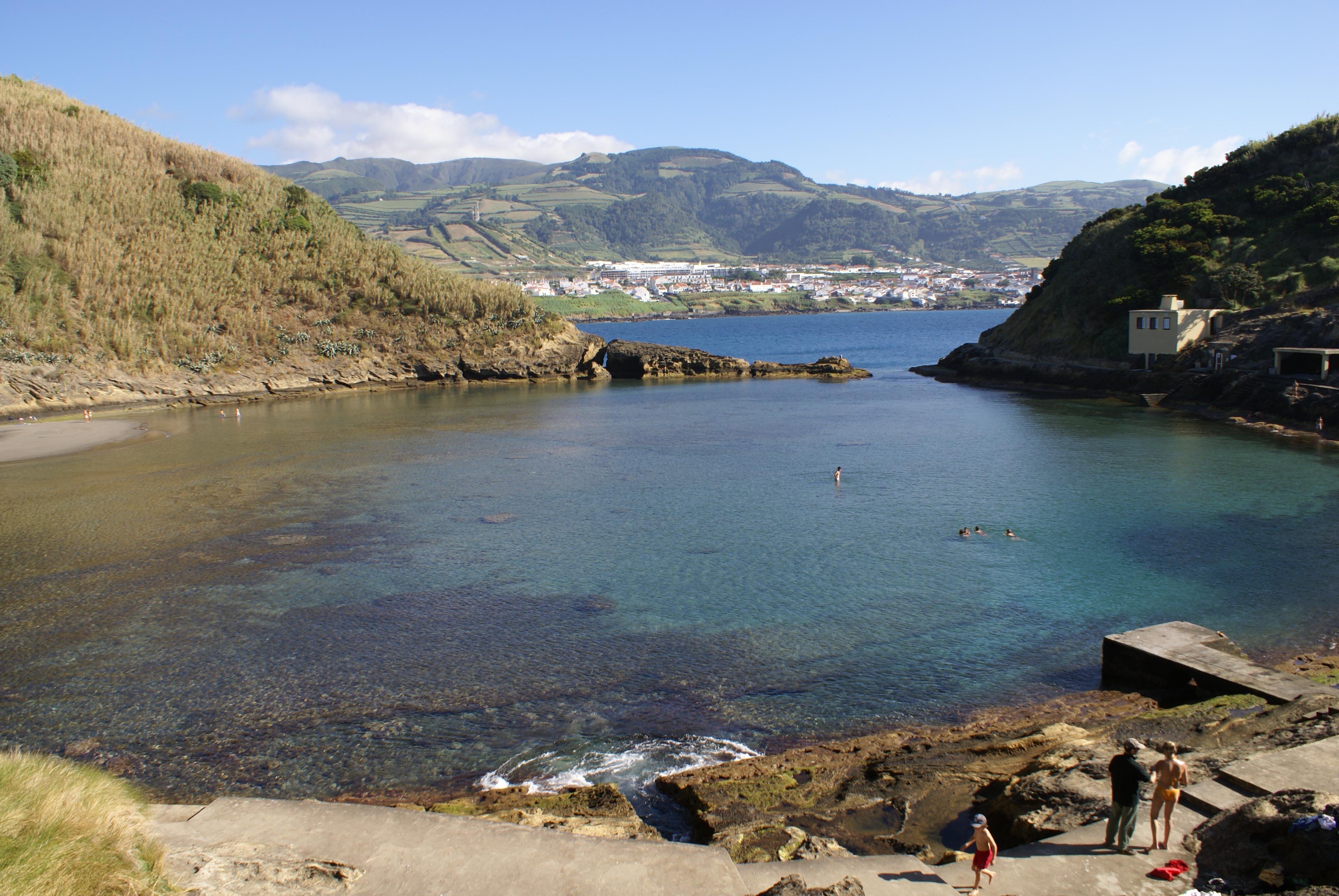
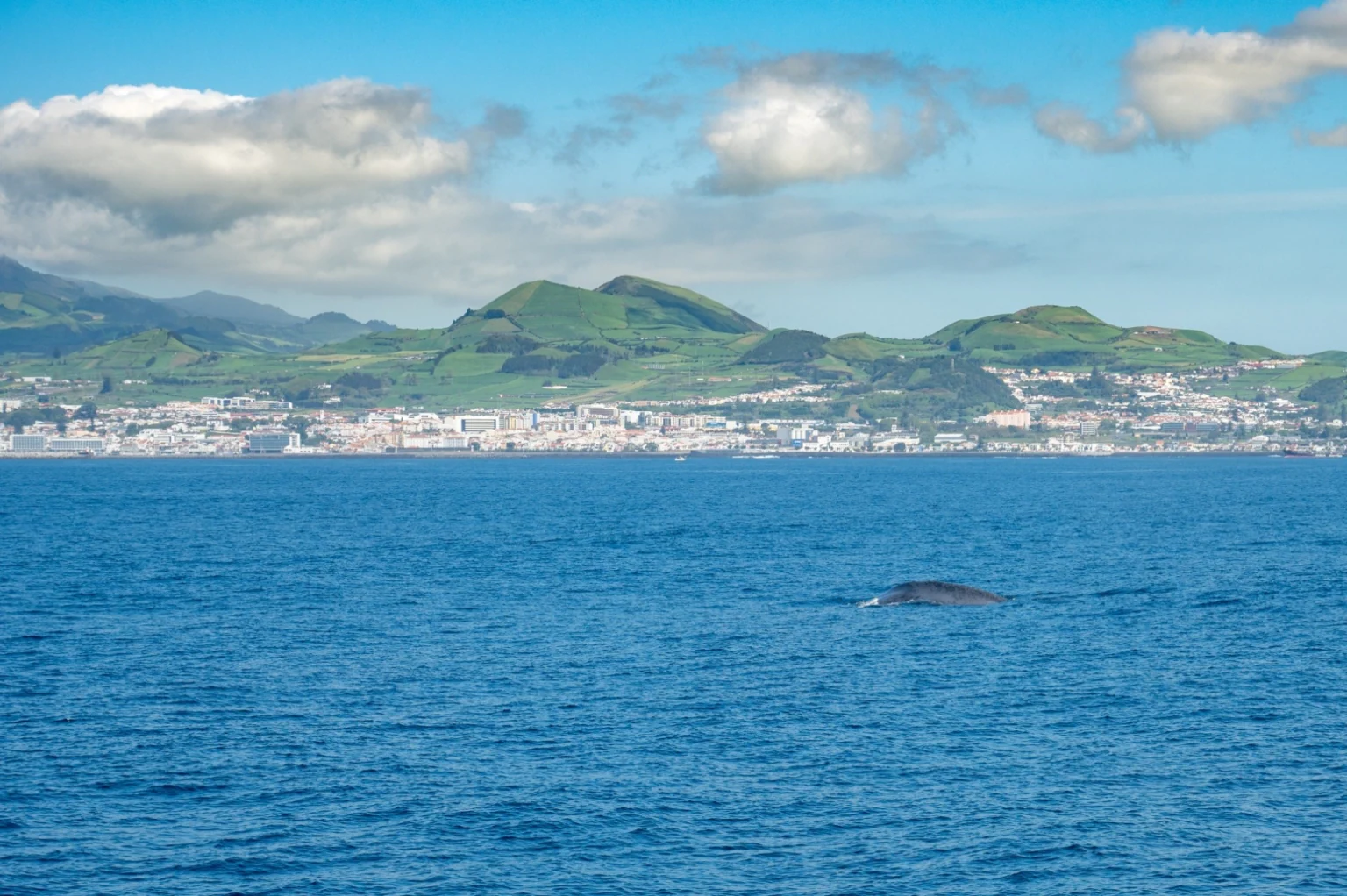
Two hours into the expedition, the radio crackles. A blue whale has surfaced near Ilhéu de Vila Franca. The boat turns southeast, covering the distance in twenty minutes. The whale surfaces three times, its mottled blue-gray back extending longer than the boat, before it sounds and disappears into the deep channel. You return to harbor by midday, having logged four species and seventy-two individual cetaceans.
All the details about your upcoming adventure in one place
The Azores archipelago offers some of the Atlantic's most diverse cetacean encounters, with azores whale watching tours departing year-round from multiple islands. Over 20 species migrate through these volcanic waters, including sperm whales, blue whales, and resident populations of common dolphins. Marine biologists accompany most azores whale watching excursions, providing identification support and interpreting behavior while maintaining responsible observation distances.
The Azores archipelago sits astride the Mid-Atlantic Ridge, where tectonic forces and deep-ocean upwellings create one of the planet's richest cetacean habitats. Twenty-eight whale and dolphin species migrate through or reside in these waters year-round, a density unmatched in European seas.
Sperm whales dive to 2,000 meters along submarine canyons within sight of volcanic peaks. Blue whales, the largest animals ever to exist, pass through during spring and autumn migrations. Resident pods of common dolphins number in the hundreds, and pilot whales congregate in family groups around seamounts.
Azores whale watching began in the 1990s, adapting the vigia lookout network once used by commercial whalers. Stone towers on clifftops now serve marine biologists and tour operators, who coordinate sightings via radio to position boats within ethical viewing distance. The transition from harpoon to camera lens took less than a decade. Today, the archipelago's whale-watching economy supports marine research, employs former whalers as guides, and funds conservation programs that track population health and migratory corridors.
Most azores whale watching tours depart from Ponta Delgada on São Miguel, Horta on Faial, and Madalena on Pico. Rigid inflatable boats and catamarans leave harbors between 08:00 and 20:00, with morning departures offering calmer sea conditions and higher sighting probabilities. Three-hour expeditions typically encounter multiple species, guided by certified marine biologists who explain echolocation, social behavior, and feeding patterns. Spring months bring baleen whales migrating north; summer sees sperm whale calves learning to dive; autumn and winter offer consistent sightings of resident species. The azores whale watching season runs continuously, with no closed period, though weather conditions shape daily operations.
The volcanic bathymetry surrounding the islands creates nutrient-rich zones where squid and fish populations thrive, sustaining cetacean abundance. Underwater topography includes the Condor Seamount south of Faial and the Princess Alice Bank, both recognized as critical feeding grounds. Azores whale watching holidays often combine multiple islands to access different marine zones and maximize species diversity encountered.

Twenty-eight whale and dolphin species migrate through or reside in these waters year-round, a density unmatched in European seas.
Wear multiple layers including a windproof and waterproof jacket. Non-slip rubber-soled shoes are required for safety on deck.
Bring only small, soft-sided bags that can be stored securely. Expect basic safety briefings before boarding any azores whale watching vessel.
Use a neck strap for your camera to prevent drops. Telephoto lenses are recommended for capturing marine life from a distance.
Children must be accompanied by an adult at all times. Life jackets are mandatory and provided for all age groups.
Modern catamarans offer better accessibility than traditional zodiac boats. Advise the tour operator of mobility needs during booking.
Most azores whale watching tours allow light snacks and water. Consumption of alcohol is prohibited during the excursion.
Opening hours
08:00–20:00
Address
Various harbors across the Azores archipelago, primarily Ponta Delgada, Horta, and Madalena.
Accessibility
Varies by boat size and operator; request ramp assistance if required.
Arrival window
Best arrival window: 08:00–10:00.
Baggage
Storage is typically limited on small vessels.
Area
Nine volcanic islands in the North Atlantic.
Car · N/A · Varies
Rental vehicles are the most efficient way to reach various harbor locations.
Taxi · N/A · Moderate
Available in major towns like Ponta Delgada for direct harbor access.
Most operators allow free cancellation up to 24–48 hours before departure. The entrance fee is 0 EUR as these are commercial bookings.
Recommended time
3 to 4 hours
Most excursions for azores whale watching typically last between three and four hours, allowing sufficient time to locate marine mammals in their natural habitat. Travelers booking azores whale watching tours should account for an additional hour for pre-departure briefings and safety checks at various harbors across the Azores archipelago, primarily Ponta Delgada, Horta, and Madalena. While there is no gated entry to purchase azores whale watching tickets, selecting a morning departure often provides the calmest ocean conditions for observing sperm whales and dolphins.
Crowd levels through the day
Weather · crowds · average price — dots go green to amber to red as each metric rises.
April to June features migrating blue whales and calmer seas.
July to September offers stable weather and common sightings of sperm whales.
October brings frequent sightings and manageable crowds.
November to March is off-season with fewer boat departures due to weather.
Secure your azores whale watching spot at least two weeks ahead. High demand during summer limits availability.
Take motion sickness medication an hour before departure. Seas can be unpredictable in the Atlantic.
Call your operator on the morning of your trip. Visibility and wave heights dictate if the tour proceeds.
Temperatures drop significantly on the water. Even on sunny days, wind chill makes a jacket necessary.
Bring quality binoculars to spot blows from a distance. Scanning the horizon improves your chances of early detection.
Avenida Infante Dom Henrique
Primary hub for large azores whale watching tours
Get directionsThe Azores archipelago carried a bloody legacy long before it became synonymous with conservation. Commercial whaling arrived in the mid-nineteenth century when American vessels began recruiting Azorean men as crew. By the 1870s, shore-based whaling stations dotted the islands, with lookouts—vigias—perched on clifftops scanning for sperm whale blows. These stone towers, relics of an extractive economy, now serve a gentler purpose as spotting posts for azores whale watching tours. The last legal hunt ended in 1987, closing a chapter that had defined island economies for over a century. Transformation came swiftly. In 1989, researchers from the University of the Azores launched the first systematic cetacean surveys, documenting resident sperm whale populations and migratory baleen species. Former whalers, their harpoon skills rendered obsolete, retrained as marine guides. The vigias were repurposed, their occupants now radioing coordinates to zodiac operators instead of hunting crews. By 1995, the first azores whale watching operators received permits, and the archipelago began marketing itself as a year-round sanctuary where twenty-four cetacean species passed through the deep channels between islands. The industry formalized under strict regulation. In 2003, the Azorean government established mandatory approach distances and禁止 swim-with-whale programs to prevent harassment. Whale-watching tickets funded marine research grants, creating a feedback loop between tourism revenue and conservation science. The vigias—once symbols of exploitation—became UNESCO-recognized cultural heritage sites in 2011, their transformation emblematic of the broader shift. Sperm whales, hunted to near-local-extinction by the 1980s, rebounded; pods now linger in the waters off Pico and Faial year-round. Today, the archipelago hosts international cetacean conferences and serves as a living laboratory where former hunting grounds have become one of the Atlantic's most studied marine ecosystems.
Shore-based whaling stations establish operations across the Azores, employing hundreds of islanders in sperm whale hunts.
Portugal bans commercial whaling, ending over a century of extraction and forcing economic reinvention.
University of the Azores begins systematic cetacean research, documenting resident and migratory populations.
First licensed whale-watching operators launch tours, repurposing former whaling infrastructure.
Azorean government enacts strict marine mammal protection regulations, including mandatory approach distances.
Historic vigia lookout towers receive UNESCO cultural heritage recognition for their role in the whaling-to-conservation transition.
Embarking on azores whale watching is a nautical adventure that requires careful preparation to ensure young travelers remain comfortable on the Atlantic. Balancing the excitement of spotting marine mammals with the realities of open-ocean travel helps families maximize their experience.
Consult a pediatrician about preventative medication before booking azores whale watching tours, as choppy waters can affect sensitive stomachs. Bring ginger chews or wristbands and encourage children to focus on the horizon rather than their devices.;Boat Selection
Harbor-front dining near azores whale watching locations provides convenient options for those returning from sea. Visitors typically find fresh seafood and local wine within a short walk of the main piers in Ponta Delgada and Horta.
Popular for traditional petiscos and local fish dishes after finishing your azores whale watching tour. It gets busy in the evenings, so arrive early to secure a table for your group.
Real experiences from real travelers
We joined an azores whale watching tour in July and saw three different species in one morning. The sperm whales surfaced within twenty meters of our boat. Guide explained migration patterns and identified individuals by their tail markings. Ocean was calm and visibility perfect.
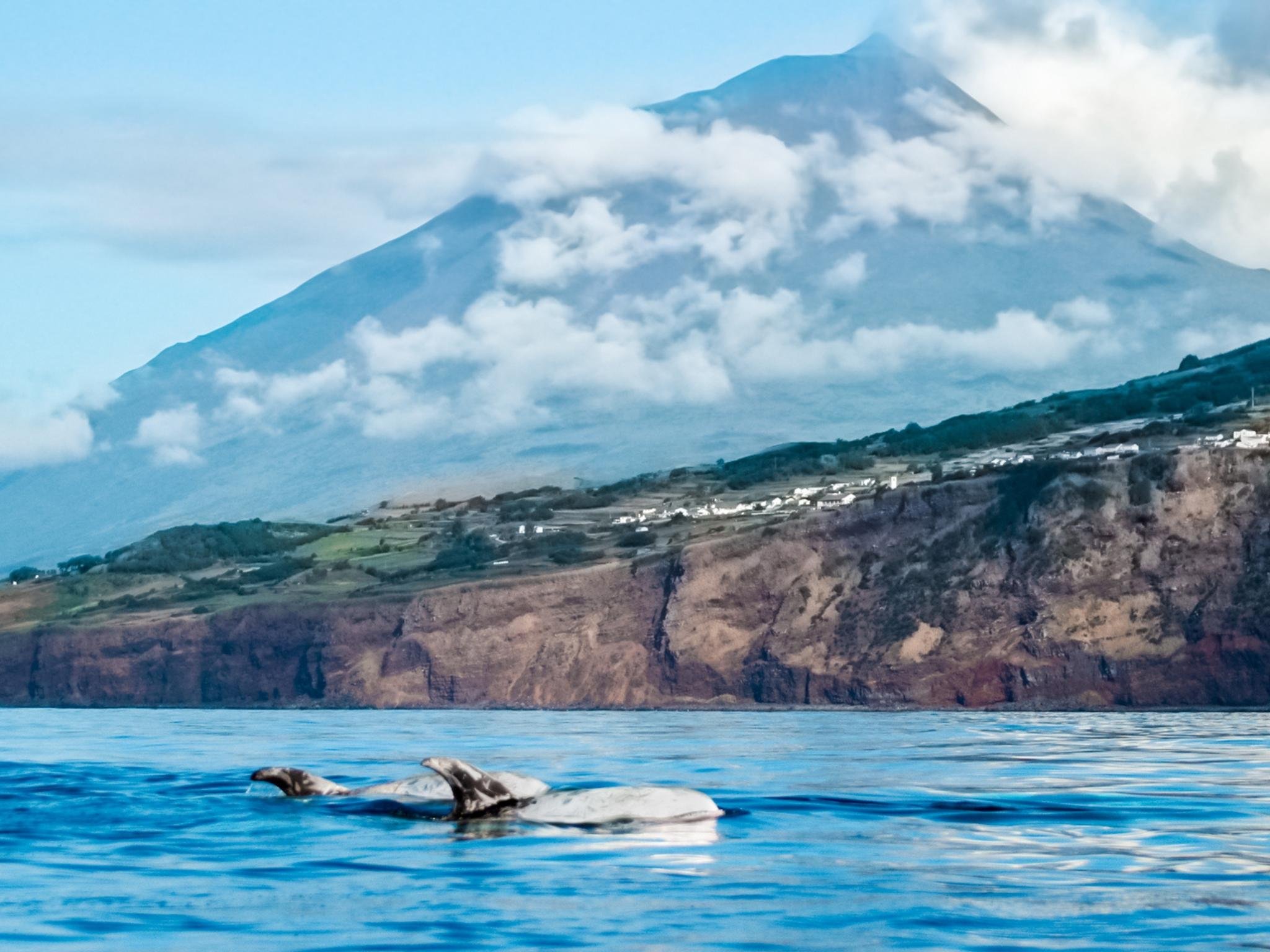
Our guide spotted a pod of Risso dolphins before we even left Horta harbor. An hour later we found a blue whale feeding near Pico. The scale is impossible to describe until you see it. Worth every minute of the three-hour trip.
The marine biologist on board made the difference. She explained behavior patterns and used hydrophones so we could hear the whales communicating. We saw pilot whales and common dolphins during the same expedition. Bring layers because it gets cold on the water.
Booked azores whale watching tickets for two days because the first was too choppy. Second day delivered with a mother and calf humpback pair. Crew rescheduled us without hassle. Saw bottlenose dolphins on the way back to São Miguel.
Five species in one outing including a rare beaked whale. The Azores sit on a migration corridor so diversity is high from spring through autumn. Our captain had thirty years experience and positioned us perfectly for photographs without disturbing the animals.
Crew followed all distance protocols and turned off engines when close to cetaceans. We drifted near a resting sperm whale for ten minutes. The respect for marine life was evident. This is how sustainable tourism should work.
Joined an early season azores whale watching tour and witnessed baleen whales heading north. Guide said April and May are peak months for blue and fin whales. Water was cold but the sightings made it worthwhile. Saw a fin whale lunge feeding.
Compared several companies and chose one with marine biologists on staff. The educational component elevated the whole experience. We learned about echolocation and identified whale songs through underwater microphones. Sperm whales were the highlight.
Peak summer means more boats on the water. We still had excellent sightings of pilot whales and Atlantic spotted dolphins. The naturalist provided context about Azorean whaling history and current conservation efforts. Would go again in shoulder season.
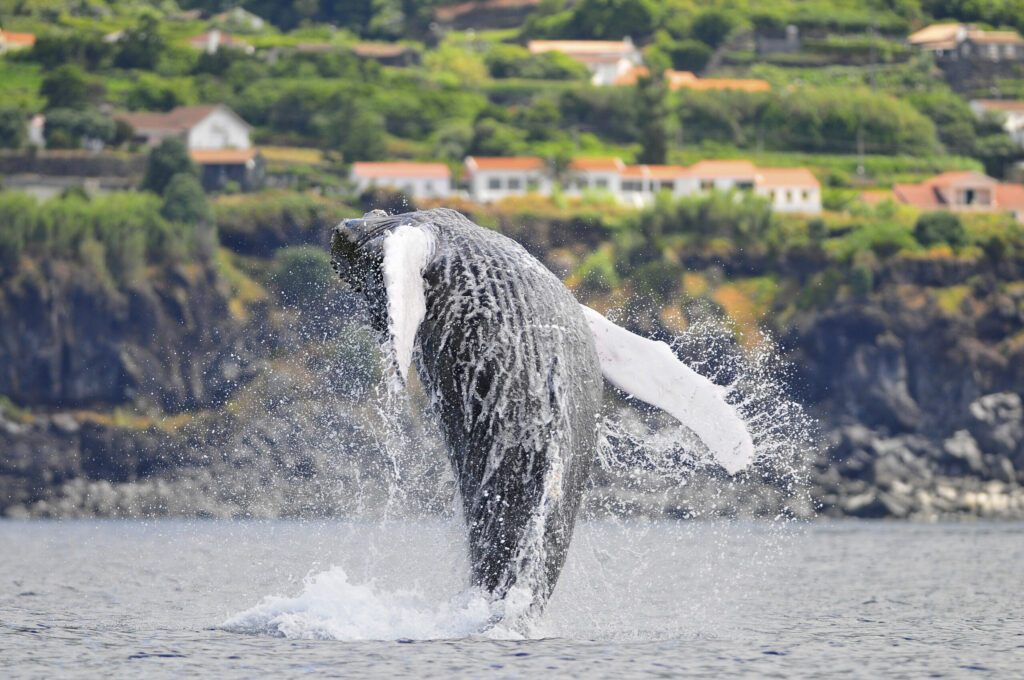
Having done whale tours in several countries I can say azores whale watching tours rank among the best globally. Saw sperm whales diving with tails fully vertical and a juvenile humpback breaching repeatedly. The volcanic landscape adds drama to every sighting.
Everything you need to know for your journey
Operators maintain offices open from 08:00–20:00 for customer service and tour management. You may bring light snacks on an azores whale watching tour, but avoid heavy items. Refunds are subject to the operator policy, usually provided for cancellations made 24-48 hours prior. The best time for azores whale watching is from April to September for calm seas and high sightings. You should plan your arrival for the 08:00–10:00 window to benefit from the calmest sea conditions. Families are welcome, though children should be supervised and fitted with proper life vests. Tours are frequently rescheduled or refunded if sea conditions are unsafe for an azores whale watching trip. Most harbors do not have dedicated lockers; please travel light as per the prohibited items list. Last-minute bookings for an azores whale watching tour are possible but depend on daily vessel capacity. Photography is encouraged, though you must follow instructions to keep the vessel stable during sightings.
Please contact us for more information.
Iconic 18th-century city gates located near the waterfront.
Waterfront hotel offering direct views of the harbor.
Central location near ferry and tour departure points.
Modern lodging with focus on sustainable tourism.
Join thousands of happy travelers who have discovered this incredible experience
Book Your Experience Now