

Quick answer
Wear a waterproof outer layer, insulating mid-layer, moisture-wicking base, non-slip closed-toe shoes, sunglasses, and a hat with a chin strap. Atlantic spray reaches all passengers regardless of seat position, and temperatures on the water run 5–8°C cooler than on shore. Operators require footwear with grip and advise against cotton, which stays wet and accelerates heat loss during multi-hour excursions.
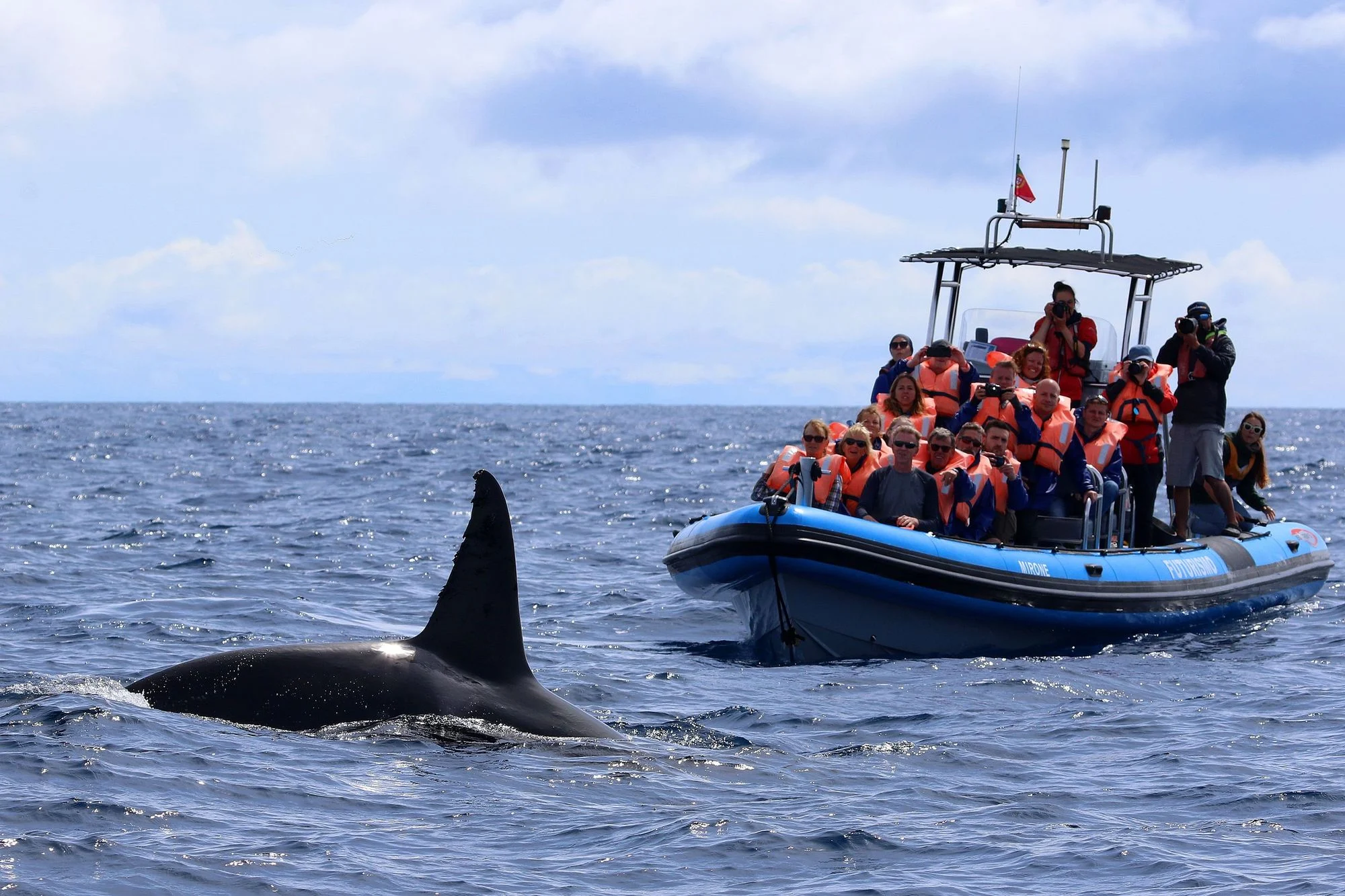
The Azores archipelago sits in the path of the Gulf Stream, where marine conditions shift within minutes and wind chill over open water drops perceived temperature by ten degrees or more. Even summer departures from Ponta Delgada or Horta encounter Atlantic spray that soaks cotton clothing through in the first thirty minutes, and tour operators report that inadequate clothing is the leading cause of passenger discomfort on three-hour excursions. Layering remains the only reliable strategy for azores whale watching what to wear decisions. A moisture-wicking synthetic or merino wool base layer pulls sweat away from skin during the active scanning phases when passengers stand at the bow. An insulating fleece or down mid-layer traps warmth without bulk, essential when the boat cuts speed near cetacean pods and wind chill intensifies. The waterproof shell—breathable rather than plastic-coated—blocks spray and rain while allowing vapor to escape, preventing the interior condensation that leaves passengers damp and cold by the second hour. Footwear requirements are non-negotiable. Operators enforce closed-toe shoes with deep tread to prevent slips on wet fiberglass decks, and many refuse boarding to passengers in sandals or smooth-soled sneakers. White-soled boat shoes or hiking boots with grippy rubber outsoles meet the standard. Sun protection often surprises visitors who associate overcast skies with low UV risk: Atlantic reflection doubles exposure, and dermatologists in the Azores treat more sunburns from marine excursions than from beach days. Polarized sunglasses cut glare and improve whale spotting, while a hat with a secure chin strap stays on during the high-speed transits between sighting locations. Operators provide waterproof ponchos on most tours, but these cover only the torso and leave legs exposed to spray. Waterproof trousers or a full rain suit ensure comfort during rougher crossings, particularly on early-season departures when water temperature hovers near 15°C. Bring a small dry bag for phones and cameras; even on calm days, rogue waves occasionally wash over the gunwales, and salted electronics fail within hours if not rinsed and dried immediately.
“Atlantic spray reaches all passengers regardless of seat position, and temperatures on the water run 5–8°C cooler than on shore.”
Azores Whale Watching What to Wear: The Essential Gear List
Atlantic conditions demand layered, weather-resistant clothing and sun protection for extended time on the water.
-
Pack a waterproof jacket with hood — Wind and ocean spray are constant during open-water crossings.
-
Wear moisture-wicking base layers underneath — Cotton traps moisture and loses insulation when wet from spray.
-
Bring sunglasses with a retention strap — Glare off the water is intense and glasses can be lost to wind.
-
Apply reef-safe SPF 50+ sunscreen — UV exposure reflects off the ocean surface, doubling intensity.
-
Wear closed-toe non-slip shoes — Boat decks become slippery when wet and require secure footing.
-
Bring a warm fleece or insulating mid-layer — Temperatures drop noticeably once you leave sheltered harbors.
-
Carry a small waterproof bag for electronics — Spray and sudden waves can soak exposed belongings on deck.
How Seasonal Changes Influence Azores Whale Watching What to Wear
The period from April to October offers the most consistent conditions for whale watching in the Azores, with spring providing peak opportunities for migratory species. To maximize visibility and sea stability, the best arrival window is 08:30–09:30.
Spring (April–June)
ModerateCooler temperatures, 15°C–20°C. Migratory whales are most active during this window.
Summer (July–September)
HighWarmer temperatures, 20°C–25°C. Seas are generally calmer, ideal for resident species.
Autumn (October)
LowMild temperatures, 18°C–22°C. Sea conditions remain favorable before winter volatility begins.
Morning departures
——
Early tours frequently encounter calmer waters and higher visibility than afternoon trips.
Verdict: The best time to visit is during the spring or summer months, prioritizing the 08:30–09:30 arrival window to ensure the most stable sea conditions.
Azores Whale Watching What to Wear: Rules for Boat Conduct
Operators enforce strict footwear and loose-item policies to prevent injuries and equipment loss in open-water conditions. Non-compliance may result in boarding refusal.
Do
- Wear closed-toe, non-slip shoes with grip-textured soles
- Secure phones, hats and sunglasses with lanyards or straps
- Stow bags and loose clothing in provided storage areas
- Follow crew instructions for movement between boat sections
- Hold railings when moving during active sea conditions
- Remove or secure scarves and loose layers before departure
Don't
- Wear open-toe sandals, flip-flops or smooth-soled fashion shoes
- Leave bags, cameras or personal items unsecured on deck
- Lean over railings or extend arms beyond boat perimeter
- Move freely around the boat during whale approach maneuvers
- Wear flowing garments that can catch on equipment or rigging
- Ignore crew signals regarding safe positioning and movement zones
Daily Schedules for Azores Whale Watching What to Wear
Whale watching operations in the Azores are available throughout the week to accommodate visitors. Planning your arrival between 08:30 and 09:30 helps ensure you are prepared for morning departures.
| Monday | 00:00–23:59 | |
|---|---|---|
| Tuesday | 00:00–23:59 | |
| Wednesday | 00:00–23:59 | |
| Thursday | 00:00–23:59 | |
| Friday | 00:00–23:59 | |
| Saturday | 00:00–23:59 | |
| Sunday | 00:00–23:59 |
Azores Whale Watching What to Wear: Understanding Tour Fees
There is no cost to access the whale watching regions within the Archipelago of the Azores. Fees apply exclusively to individual boat tour bookings, which cover the vessel and crew services.
Individual travelers pay 0 EUR to access the region, with total costs depending solely on the specific boat tour operator selected for the excursion.
Check availability
Frequently asked questions about Azores whale watching what to wear
Everything you need to know about azores whale watching what to wear